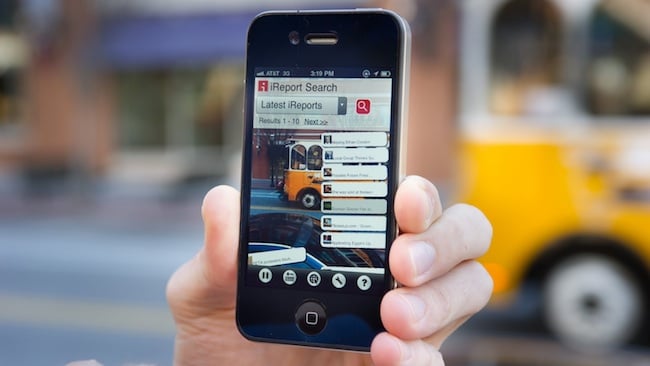
Forget about the ballooning number of applications each mobile platform offers, and realize that for a lot of people, just having access to the internet on a device that fits in their pocket is absolutely mind blowing. Now browsers have been in phones for years, most notably the WebKit powered browser for Symbian devices that was launched towards the end of 2005 and was what many recognize to be the first real full HTML browser for phones. Apple changed the game two years later in 2007 with the iPhone, making a browser that was several orders of magnitude ahead of the competition at the time. Then Android of course in 2008, which ships with a browser that similar to Symbian and Apple was (and still is) powered by WebKit. In 2009 RIM would go so far as to buy a company that did HTML browsers just so they could catch up. The bean counters at ABI Research predict that by 2016 there will be a total of 2.1 billion devices on the market that not only have mobile web browsers, but browsers that are HTML5 enabled; up from 109 million in 2010.
“We expect HTML5 features in categories such as graphics, multimedia, user interactions, data storage, and others to be widely adopted sooner rather than later. A significant number of HTML5 features will be adopted in the mass market in the next three to five years. HTML5 adoption is going to accelerate because it will be a key differentiator in the smartphone OS war. I believe that Apple will be the key driver of HTML5 and consequently a primary benefactor as well.” — Mark Beccue, Senior Analyst
We’d like to point out that Microsoft, who traditionally has been the butt of every joke regarding web standards and anything internet related in general, is shaping up to be a huge supporter of HTML5. They have as much potential as anyone else to lead the pack in terms of capabilities, performance, and security … OK, the last one was a joke.