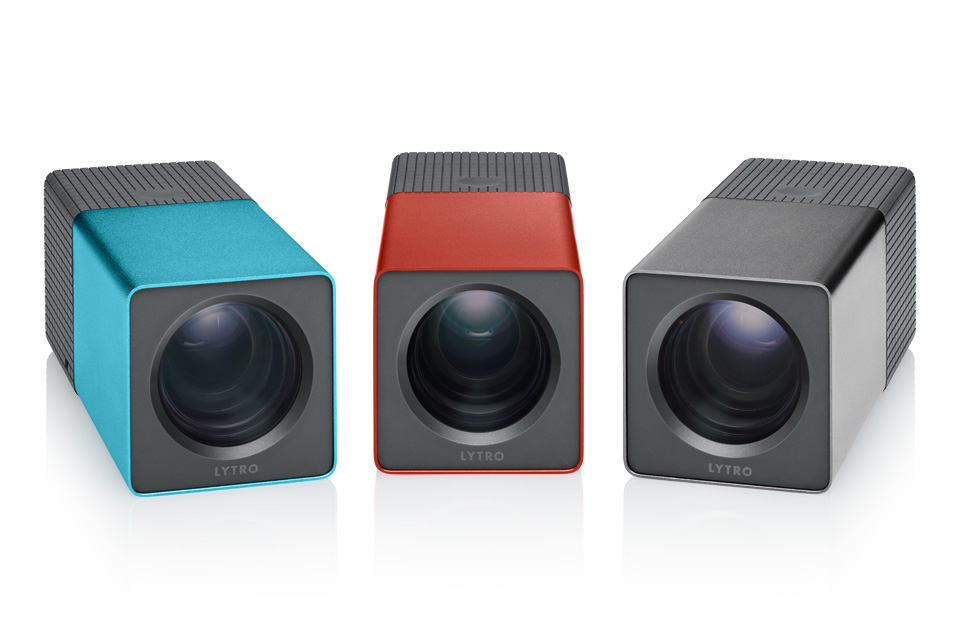
Executive Chairman of Lytro, Charles Chi, told PCWorld in an interview that the company is considering different ways to bring its light-field camera technology into cell phones. Admittedly, Chi says it’s a bit of a stretch at this point but we could be looking at a future where your smartphone will be able to take photos where you can determine the point of focus afterwards. Cool.
“If we were to apply the technology in smartphones, that ecosystem is, of course, very complex, with some very large players there. It’s an industry that’s very different and driven based on operational excellence,” Chi told PC World. “For us to compete in there, we’d have to be a very different kind of company. So if we were to enter that space, it would definitely be through a partnership and a codevelopment of the technology, and ultimately some kind of licensing with the appropriate partner.”
He doesn’t give any definite answers that Lytro will enter into the smartphone market, but it’s fairly obvious that compact cameras will replaced with camera phones in the future. The intelligent people at that company have to know this, so it’s really not a matter of if Lytro cameras (or the technology from those cameras) will be in phones, but when.
Before his demise, Lytro even caught the attention of Steve Jobs. He talked with CEO Ren Ng about working to revolutionize photography together in mobile devices. Jobs unfortunately won’t be able to see if Apple and Lytro ever strike a deal, but Apple is actively pursuing his visions, so I don’t think the two companies have dropped connections just yet.
If you’re in need of some background on Lytro, the startup came to full attention in 2011 when it pioneered light-field camera technology. By taking in all the light traveling in every direction and every dimension, Lytro cameras are supposedly able to produce photos with unbelievable quality. Plus, users can take photos without even worrying about the focus and readjust the image’s focal point later on.
It’s probably too early to wait for Lytro cameras in phones, as the company’s first product isn’t even out the door yet. Still, we’ll definitely keep an eye on this one.