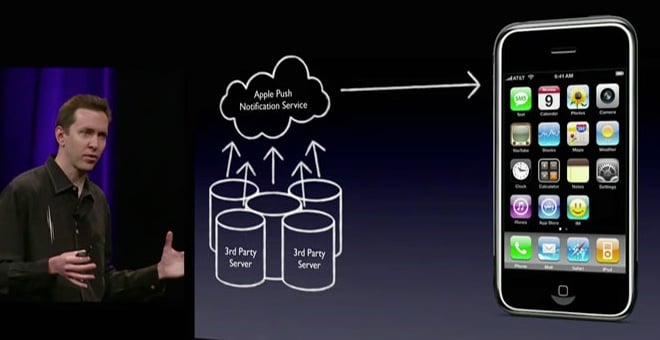

It doesn’t matter how smart your smartphone is, if the battery is dead then you can’t use the damn thing. Apple and Microsoft know this, and it’s why with their respective mobile operating systems they allow developers to build applications that are push enabled, but that push has to come from a central server. Instead of having a device with multiple applications, each with different polling times, each opening their own connection to a server, the advantage with a centralized push notification system is that you only need one connection and it can be always active, versus the connecting and disconnecting, the turning on and off of a cellular radio, that drains batteries.
Nokia, recognizing a technically superior solution when they see one, has built a Notifications API Beta plug-in for the Qt SDK, meaning that eventually all Symbian and MeeGo powered Nokia smartphones will get this functionality built in. Tobias Kemper, General Manager at Nimbuzz told Nokia: “The Ovi Notifications API was very streamlined and easy to implement as a part of the Nimbuzz app, within a matter of hours we were able to send and receive notifications from our server to the device.”
Push isn’t going to save Nokia’s rapid loss of mind share in western markets where many have moved on to either an iPhone or something powered by Android, but it does lay the groundwork for future efforts, like the 2011 facelift of MeeGo which is supposed to blow our minds since it’ll be unlike anything we’ve ever seen before. If you’re a developer then take note of this Forum Nokia blog post and make your application ready for the eventual release of the first device to have this capability built in.
Oddly enough, Android doesn’t have this built in, yet their devices don’t drop like flies after less than 12 hours of use. Can anyone explain that to me?