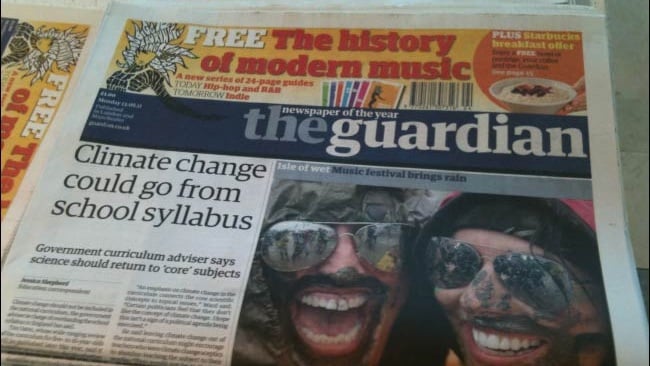
The differences between Apple’s iOS and Google’s Android are more than just widgets and the quality of apps. Data proves that people who use iOS are more likely to pay for applications, whereas Android folks would rather be cheapskates and have their apps include a barrage of advertising. The British newspaper The Guardian recently released an Android application, and to no one’s surprise, it’s free. “We feel that having a free, ad-funded Android app is the right business model for this marketplace and platform at this point in time,” a Guardian News & Media spokesperson told paidContent, later adding: “We have no plans to change our iPhone pricing model as it stands, though we are always reviewing and watching the market very closely.” Just how expensive is the iPhone app? You have to purchase either a 6 month or 12 month subscription, which runs £2.99 and £4.99 respectively. Note that only UK iPhone users have to pay for the app, if you’re in another country then you get to enjoy The Guardian for free. Update: We’ve been told by The Guardian that only Americans get their app for free, and it’s ad supported.
Will iPhone owners start flocking to Android to save some money on apps? Doubtful. Google will, at some point in the future, hopefully, take more control over Android so that developers don’t have to create multiple versions of their applications. When they do that, developers will have more time to invest in their application, the quality will undoubtedly go up, and then people will start paying. At least that’s how it should work. Ads on mobile are never really welcome because no matter how big your smartphone gets, it’s still smaller than your laptop or desktop computer, and thus each pixel of real estate is precious. Having a banner ad sorting through pharmacies offering male enhancement medication while reading about the latest developments in Libya doesn’t exactly make for an engaging experience.
[Photo Credit: Martin Belam]