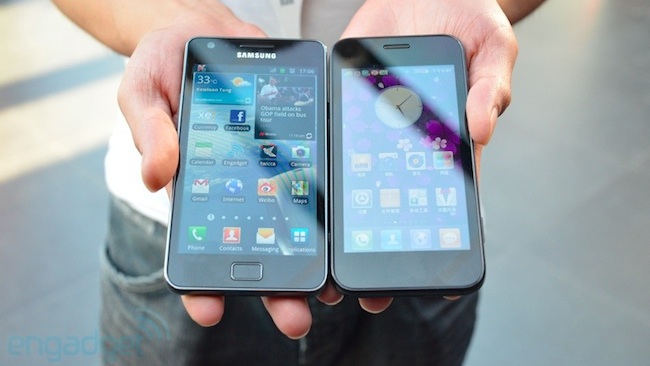
Xiaomi isn’t exactly a household name, but they’re well on their way to becoming one. Back in September they released an Android smartphone called the MI-ONE (pictured above, right). Like nearly every other Android device on the market, it doesn’t run stock Android. Instead it runs a fairly popular custom Android ROM called MIUI. If you thought Samsung’s TouchWiz was ripping off the iPhone, you’ve obviously never heard MIUI. Anyway, intellectual property theft aside, what makes the MI-ONE special is that it costs remarkably little for the type of specs it offers. We’re talking a 1.5GHz dual core Qualcomm MSM8260, 1 GB of RAM, 8 megapixel camera, and of course all the wireless radios you’d expect in a high end smartphone; all that for just $310. What’s Xiaomi secret to getting their prices that low? We honestly can’t figure it out, but apparently we don’t need to since they’re getting $60 million in funding from “investors such as IDG Capital, Temasek Holdings and Qualcomm” according to a Reuters report. They say Xiaomi’s valuation hovers at around $1 billion.
Will we ever see Xiaomi expand outside of mainland China? The more important question is do they even have to expand internationally in order to succeed? If they’re feeding local demand and tailoring their product for their audience, then why should they have to ship to Europe and America and deal with all the complicated legal structures that usually impede small players? Look at Micromax in India, which is another brand not many people have heard of, but those guys give Indians exactly what they want and as such have become a huge player over there. It also helps that they can say that their phones are built by Indians for Indians.
Here’s something to get you thinking: Why doesn’t an American company pull a MIUI and spend all their resources on building an awesome Android ROM which they’d then license out to handset vendors like Samsung and HTC or a new player all together like Xiaomi?
[Image Credit: Engadget]
Update: The Financial Times says: “Xiaomi has already shipped 400,000 smartphones and is looking to add Foxconn as a second contract manufacturer to boost capacity.”