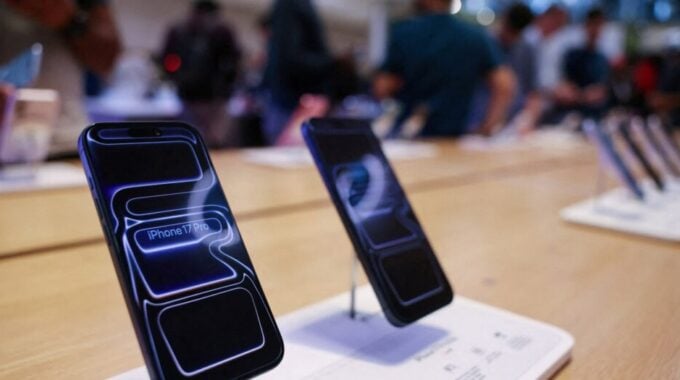
Apple has claimed the top spot in global smartphone shipments for the first quarter of 2026, marking the first time the iPhone maker has led the market during a traditionally slower period. The company achieved a 21% market share with 5% year-over-year growth, even as the broader smartphone industry contracted by 6%.
The market decline stems from memory component shortages as manufacturers prioritize AI data centers over consumer electronics, according to Counterpoint Research. Middle East tensions also dampened consumer sentiment, adding pressure to an already challenging quarter for most smartphone brands.
Apple’s first quarter dominance breaks from historical patterns where the company typically performs strongest in the fourth quarter following new iPhone launches. The success reflects several key factors:
- Premium market positioning that insulates Apple from economic headwinds
- Integrated supply chain that helps navigate component shortages
- Strong performance in China with 23% sales growth in the first nine weeks of 2026
The China numbers represent a significant turnaround for Apple, which has faced increasing competition from domestic brands like Huawei in recent years. This growth suggests the iPhone 17 series, launched in late 2025, is resonating with Chinese consumers despite ongoing geopolitical tensions between the US and China.
Samsung, traditionally Apple’s closest rival, saw shipments decline 6% year-over-year, giving it a 20% market share and second place. The Korean giant faced headwinds from a delayed Galaxy S26 launch and weakness in budget phone segments where it competes with Chinese brands.
Xiaomi held onto third place with a 13% share but experienced the steepest decline among the top five brands. The Chinese company has struggled as the memory shortage particularly impacts mid-range devices where margins are tighter.
The component shortage issue highlights how the AI boom is reshaping technology supply chains. Memory manufacturers are prioritizing high-margin data center customers over smartphone makers, creating ripple effects across the consumer electronics industry. This shift could persist as companies continue massive AI infrastructure investments.
For Apple, the strong quarter performance sets a positive tone heading into what’s expected to be a challenging year for smartphone sales. The company’s ability to grow while competitors decline demonstrates the resilience of its premium market position and loyal customer base during uncertain economic times.