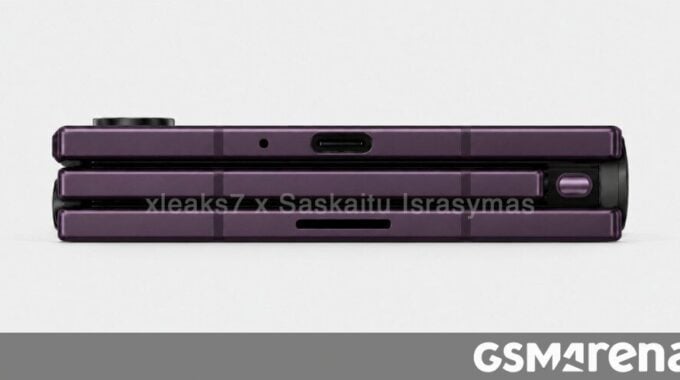
Samsung is exploring ways to bring its signature S Pen stylus to future versions of its Galaxy Z TriFold device, according to a newly discovered patent. The filing shows how the company could integrate a dedicated storage space for the stylus within the complex tri-fold design.
This move would mark a significant step in Samsung’s effort to differentiate its foldable phones from competitors and bring more productivity features to the expanding screen real estate that tri-fold devices offer. With Apple and Google making moves in the foldable space, Samsung needs to maintain its edge in this premium market segment.
The patent, discovered by David from xleaks7, outlines a system where the S Pen would be held in place using magnets and charged while stored. This approach mirrors the current implementation on Samsung’s Galaxy S26 Ultra, where the stylus charges wirelessly when docked.
However, accommodating the S Pen in a tri-fold design presents unique challenges. To create space for stylus storage, Samsung would need to make the left portion of the folding screen narrower. This design choice would give the device an off-center appearance when unfolded, potentially affecting the visual balance and user experience.
The integration represents more than just adding another feature. S Pen support has been a key differentiator for Samsung’s Note series and select Galaxy S models, offering precise input for note-taking, drawing, and professional applications. Bringing this capability to tri-fold devices could appeal to business users and creative professionals who value the expanded screen space these devices provide.
Patents don’t guarantee commercial products, and Samsung files numerous design applications that never reach market. The company faces practical constraints in implementing this design, particularly given reported plans to make the Galaxy Z TriFold 2 thinner and lighter than its predecessor. These weight and thickness goals could conflict with the space requirements for S Pen integration.
Samsung discontinued the original Galaxy Z TriFold in multiple markets, but reports suggest a successor is planned for next year. The tri-fold category remains experimental, with high prices and limited availability making these devices accessible only to early adopters and specific professional users.
The stylus integration challenge highlights broader design tradeoffs in foldable phones. Manufacturers must balance screen size, device thickness, battery capacity, and additional features while maintaining durability and user experience. Samsung’s patent suggests the company is actively working on these complex engineering problems as foldable technology matures.