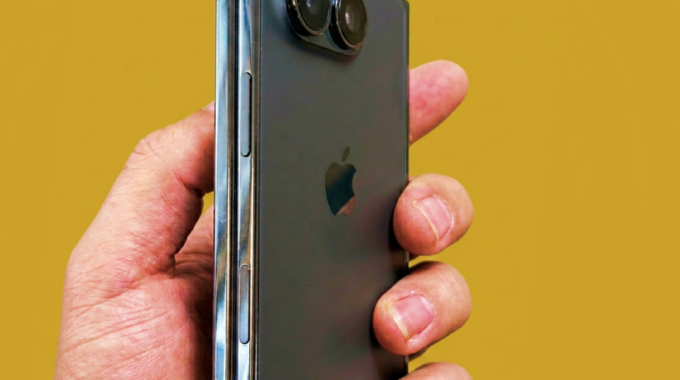
Apple’s much-anticipated entry into the foldable smartphone market has hit a major snag. Supply chain sources report that trial production for the rumored iPhone Fold, internally called the iPhone Ultra, could face indefinite delays due to persistent hinge design problems.
The news comes as Apple appears ready to sacrifice its timeline rather than compromise on quality. This approach reflects the company’s typical strategy of entering markets later but with more polished products, though it risks falling further behind Samsung and other competitors who already have multiple foldable generations in the market.
According to the leaked information, Apple has actually made impressive progress on one of the foldable industry’s biggest challenges. Internal testing reportedly shows the company has achieved a “visually creaseless” display that maintains its smooth appearance over extended use. This would be a significant achievement, as visible creases have been a common complaint about existing foldable phones.
However, the mechanical hinge mechanism continues to be the primary bottleneck. Sources indicate that while the screen holds up well, the physical components responsible for the folding action are failing to meet Apple’s quality standards during high-frequency folding tests. The mechanical wear and tear on these internal moving parts is apparently deemed unacceptable for a retail device.
This hinge durability issue highlights one of the core challenges facing the entire foldable industry. While manufacturers have made steady progress improving flexible displays, creating hinges that can withstand hundreds of thousands of folds while maintaining smooth operation remains technically difficult. Samsung, Google, and other manufacturers have faced similar challenges, often requiring multiple generations to refine their hinge designs.
Apple’s perfectionist approach means the company is reportedly willing to delay the iPhone Ultra launch indefinitely rather than release a product with known mechanical flaws. This strategy aligns with Apple’s historical pattern of waiting until technology meets their standards, even if it means missing market windows.
If Apple manages to resolve these hardware challenges in time, the first foldable iPhone is expected to launch alongside the iPhone 18 Pro series in September. The device would likely be powered by Apple’s 2nm A20 Pro chip and feature the latest version of Apple Intelligence. However, if the mechanical issues persist, a slip to 2027 appears increasingly likely.
The potential delay puts additional pressure on Apple as the foldable market continues to evolve without them. Samsung has multiple foldable models in its lineup, Google has entered the space with its Pixel Fold, and Chinese manufacturers like Huawei and Xiaomi are pushing foldable technology forward. Each additional year Apple waits makes their eventual entry more challenging from a competitive standpoint.
For consumers waiting for Apple’s take on foldable technology, this news suggests patience will be required. Apple’s track record indicates that when they do eventually launch a foldable iPhone, it will likely address many of the durability and usability issues that have plagued early foldable devices from other manufacturers.