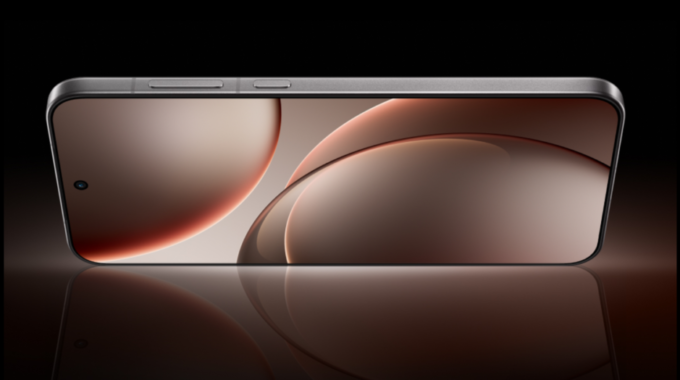
Phone batteries keep getting bigger, but most brands have focused on faster chips, AI tools, and better cameras in recent years. Oppo appears to be taking a different approach. A new leak claims the company is testing a mid-range phone with a battery that could reach 10,000mAh – a huge number for a regular smartphone.
If the report proves accurate, battery life could become the phone’s biggest selling point. The move suggests smartphone makers may be shifting their competitive focus once again, this time toward endurance rather than processing power or camera quality.
The development matters because it signals a potential industry trend away from premium features toward practical benefits that everyday users actually notice. While flagship phones have pushed boundaries with AI capabilities and camera systems, many users still struggle with devices that barely last a full day of heavy use.
The latest leak points to a battery rated at about 9,700mAh, with a typical capacity close to 10,000mAh. That would put the phone ahead of most devices sold today. Just a few years ago, numbers like this were mostly found in bulky rugged phones designed for construction sites or outdoor adventures. Consumer preferences have clearly shifted toward longer battery life.
However, a large battery doesn’t guarantee a great experience. A phone also needs good software optimization, smart power management, and solid thermal design. If those components don’t work well together, extra battery capacity won’t deliver the improvements users expect. The real test comes in how well Oppo balances all these elements.
The rumored hardware specifications suggest a practical rather than flashy approach:
- 4nm processor for efficient power consumption
- Flat LTPS display with approximately 1.5K resolution
- Strengthened materials designed for improved drop resistance
- Focus on durability over premium design elements
The emphasis on drop protection makes sense from an engineering perspective. Bigger batteries add weight, and heavier phones often take harder impacts when dropped. By designing stronger materials from the start, Oppo could avoid the durability issues that sometimes plague high-capacity battery phones.
The pricing strategy could prove more significant than the battery itself. According to the leak, Oppo wants to position the phone around the 2,000-yuan range, which would bring flagship-level battery life to mid-range pricing. This approach could force competitors to reconsider their own battery strategies, especially in markets where consumers prioritize value over premium features.
The timing reflects broader changes in smartphone buying patterns. With upgrade cycles getting longer and feature improvements becoming more incremental, practical benefits like multi-day battery life may resonate more with consumers than marginal camera or AI improvements. For users who keep phones for three or four years, battery longevity becomes increasingly important.
Industry trends support this shift. Chinese brands have consistently pushed battery capacity higher over the past two years, while international brands have been more conservative. If Oppo succeeds with a 10,000mAh device at mid-range pricing, it could accelerate adoption of larger batteries across the industry.
Of course, leaks aren’t official announcements, and plans can change before launch. Features sometimes disappear during development, and pricing strategies shift based on market conditions. Even so, the direction seems clear – phone makers are viewing battery life as the next major competitive battleground.
The move also reflects changing user habits. With remote work, streaming services, and mobile gaming consuming more power than ever, single-day battery life has become insufficient for many users. A phone that confidently lasts two or three days could eliminate one of the most common frustrations with modern smartphones.
If Oppo succeeds with this approach, a 10,000mAh battery may stop feeling unusual much sooner than expected. The question then becomes whether other manufacturers will follow with their own high-capacity devices, or if they’ll find different ways to compete for user attention.