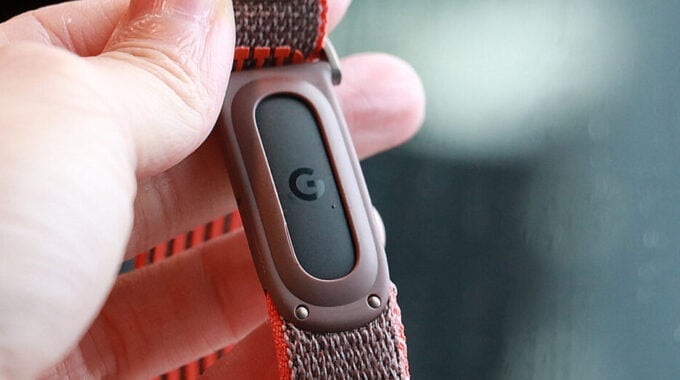
Google wants you to make your own Fitbit Air accessories. The company has released detailed technical specifications and 2D CAD drawings for its $100 screenless fitness tracker, giving makers everything they need to design and 3D print custom bands and accessories.
The move makes sense for Google’s latest fitness tracker strategy. The Fitbit Air launched in early May as a minimalist device with no screen, relying entirely on smartphone connectivity for data display and coaching through the Google Health app. By opening up the design specifications, Google is betting that a thriving ecosystem of third-party accessories will help the device compete with established players like Whoop.
The blueprints include precise measurements and crucial technical details:
- Exact device dimensions and tolerances
- Mating force specifications for proper band attachment
- Critical spacing requirements for heart rate and SpO2 sensors
- Material safety guidelines and restricted substance specifications
Google emphasizes that accessories must maintain consistent skin contact with the tracker’s sensors to keep heart rate and blood oxygen monitoring working properly. The company also requires makers to use skin-friendly materials that won’t cause irritation or allergic reactions.
“We know that your personal style is entirely unique – and in just a few short days, this community has already come up with innovative and creative new ideas to make the Fitbit Air your own,” Google said in its announcement.
The material guidelines are notably strict. Google requires copper and brass alloys to be lead-free and specifies that natural latex cannot contain allergenic proteins. These requirements reflect growing awareness of skin sensitivity issues with wearable devices.
Since the Fitbit Air’s launch, makers have already started designing custom accessories like armbands and alternative band styles. The official blueprint release should accelerate this trend and potentially create a marketplace similar to what exists for Apple Watch bands.
This open approach contrasts with most wearable manufacturers, who typically keep tight control over accessory ecosystems. Google’s decision suggests confidence that user-generated accessories will drive adoption rather than cannibalize official sales. For a device competing in the specialized fitness tracker market against established brands, community-driven customization could prove to be a key differentiator.