Samsung is shifting its Galaxy Watch from a simple fitness tracker to an active health companion. The company announced a major Samsung Health app update that transforms how users interact with their health data, moving from passive monitoring to proactive coaching.
This update matters because it addresses a key problem with current fitness wearables: data overload without actionable insights. Instead of bombarding users with raw numbers, Samsung’s AI analyzes complex biometric data and delivers simple guidance about what to do next. The update rolls out June 8 and will first appear on Samsung’s upcoming Galaxy Watch models.
Smart health monitoring that actually helps
Samsung’s new approach centers on four key features designed to make health data useful rather than overwhelming:
- Vitals – Analyzes five overnight bio-signals (heart rate, heart rate variability, respiratory rate, skin temperature, and blood oxygen) against personal baselines. It only sends notifications when meaningful changes occur, helping users spot potential illness or determine if they need more rest.
- Heart Health Score – Combines sleep, stress, activity, and body composition data into one daily metric that clearly shows which habits impact long-term wellness.
- Daily Cardio Load – Measures cardiovascular strain during exercise and recommends optimal training targets and rest periods to prevent burnout or injury.
- Fitness Index – Compares user metrics like heart rate, VO2 max, and daily steps against peers to identify strengths and weaknesses, then delivers personalized goals.
These features address the common complaint that fitness trackers generate too much noise and not enough signal. By focusing on meaningful changes rather than constant updates, Samsung aims to reduce alert fatigue while providing more useful information.
Redesigned app puts insights front and center
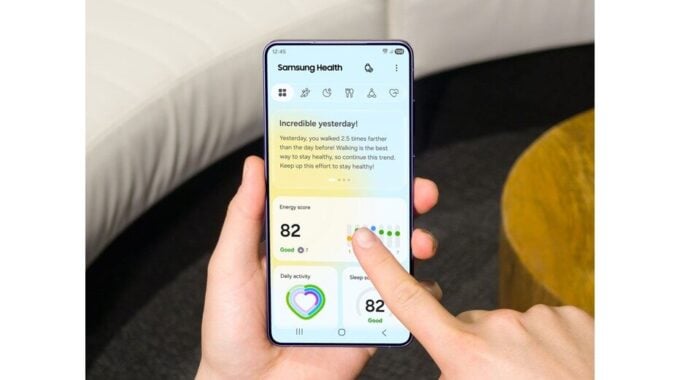
Samsung also redesigned the Health app interface around five core areas: Sleep, Activity, Nutrition, Mindfulness, and Vitals. The new home screen puts daily wellness tips alongside AI-powered Energy Scores, giving users a quick overview of how different aspects of their health connect.
The company enhanced existing features too. The Antioxidant Index now includes trend charts and daily history logs that visually connect dietary choices to physical responses over time. A new AGEs index runs automatically overnight to build long-term pictures of how lifestyle choices affect the body.
Why this matters for wearable health tech
Samsung’s update reflects broader industry trends toward AI-powered health insights rather than raw data collection. As wearables become more sophisticated, the challenge shifts from gathering information to making it actionable.
The company also added a new Hearing Health feature that monitors ambient noise through the Galaxy Watch and provides personalized ear protection recommendations – useful for commutes or workouts.
“Samsung Health is evolving to connect health data measured by Galaxy Watch with AI-based insights, enabling users to understand their physical and mental condition more easily and intuitively,” said Hon Pak, Senior Vice President and Head of the Digital Health Team at Samsung Electronics.
These features work across Samsung’s ecosystem, syncing between Galaxy phones and connected devices for a unified health view. The update positions Samsung to compete more directly with Apple’s health platform while differentiating through proactive AI coaching rather than just comprehensive tracking.