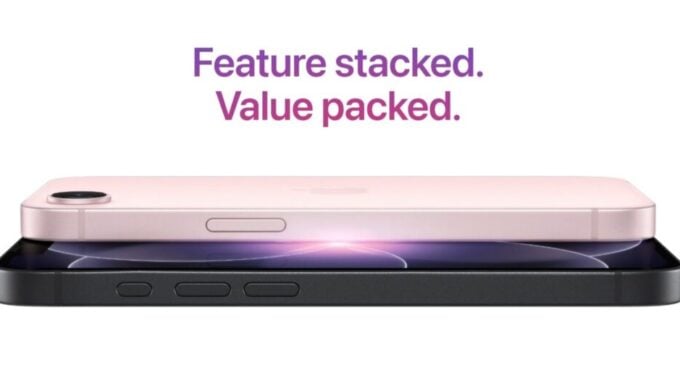
Apple markets the iPhone 17e as a “value packed” option, but a closer look at the specs tells a different story. At $599, it lacks an ultra-wide camera, Wi-Fi 7, Ultra Wideband, and most noticeably, a 120Hz display. That last omission is getting harder to defend as budget Android phones have offered smooth, high-refresh-rate screens for years.
Now it looks like Apple has no plans to fix that anytime soon. According to NotebookCheck, prolific leaker Digital Chat Station has posted on Weibo with display specs for several upcoming iPhones, and the news for budget buyers is not great.
The leaker says the iPhone 18e, expected to launch in early 2027, will once again ship with a 6.1-inch LTPS display running at 60Hz. That is the same panel type Apple has used in its entry-level iPhones for years, and it puts the device well behind the competition on paper.
To be fair, refresh rate is not the only thing that matters in a display. Apple’s ProMotion panels on the Pro models use LTPO technology, which can dynamically adjust the refresh rate from 1Hz to 120Hz to save battery life. The 120Hz panels found on many cheap Android phones tend to use LTPS, which runs at a fixed rate and drains more power. Still, for everyday scrolling and general use, the difference between 60Hz and 120Hz is immediately obvious, and Apple charging $599 for a phone that cannot match a $200 Android device in this area is a tough sell.
Here is how the rumored display specs stack up across the 2027 iPhone lineup:
- iPhone 18e: 6.1-inch LTPS OLED, 1.5K resolution, 60Hz
- iPhone 18: 6.3-inch LTPO OLED, 1.5K resolution, 120Hz
- iPhone Air 2: 6.55-inch LTPO OLED, 1.5K resolution, 120Hz
The takeaway is that the display gap between the iPhone 18e and the rest of the lineup will remain wide. Buyers who want 120Hz from Apple will still need to spend considerably more, stepping up to the standard iPhone 18 or the thinner Air 2 model.
This lines up with earlier leaks suggesting Apple will not bring ProMotion to its most affordable iPhone until the iPhone 19e, which would not arrive until 2028 at the earliest. That is a long time to wait for a feature that has been standard on rival devices for several years.
As a side note, Digital Chat Station also mentioned that development of the iPhone Ultra 2 and what may be called the iPhone 20 Pro is progressing normally, with a fall 2027 launch on track. That suggests Apple’s high-end roadmap is proceeding as planned, even as the budget end of the lineup stays frozen.
The broader issue here is one of value perception. Apple has built a loyal customer base that accepts a premium for software quality, ecosystem integration, and long-term software support. But as Android manufacturers close the gap on those fronts while offering better hardware specs at lower prices, Apple’s entry-level pricing is going to face more scrutiny. Keeping a 60Hz display at $599 in 2027 may be a defensible business decision, but it will be a harder story to sell to shoppers who have done their research.