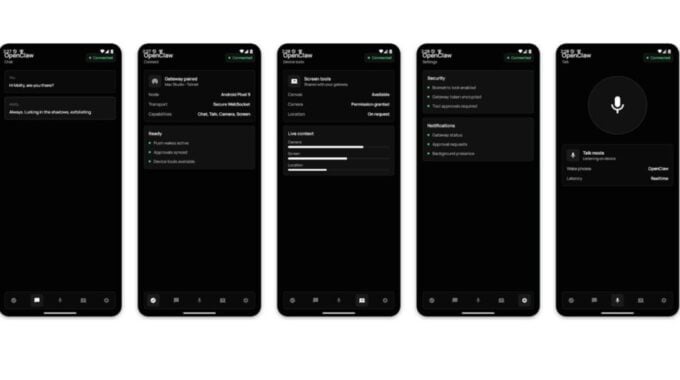
AI agents just got a lot easier to access on your phone. OpenClaw has announced standalone apps for both iOS and Android, putting its AI assistant directly in the App Store and Google Play Store for the first time.
Until now, getting an AI agent to do things on your behalf from a smartphone meant working around limitations, using workarounds through chat apps like Telegram or WhatsApp. The new OpenClaw apps change that. Users can chat with the AI assistant and grant it access to specific parts of their device, including:
- Camera
- Screen
- Location
- Photos
- Contacts
- Calendar and reminders
That kind of deep device access is what separates AI agents from simpler chatbots. An agent that can see your screen, read your calendar, and know where you are can actually do things for you, not just answer questions.
OpenClaw’s rise has been fast and a little unusual. The project went from a relatively obscure open-source tool to a significant name in AI in a short time. Its founder, Peter Steinberger, recently left to join OpenAI, which added another layer of complexity. The apps are published by the OpenClaw Foundation, the organization now running the project. OpenAI said it would provide some form of support for the foundation, though the specifics have never been made public.
The iOS launch is particularly notable given how cautious Apple has been about this category of software. Apple blocked several agentic AI tools from the App Store, citing security concerns around vibe coding, a development approach where AI writes most of the code with minimal human oversight. Those concerns left iPhone users with few good options for running AI agents natively on their devices. OpenClaw getting through Apple’s review process suggests either the app met stricter standards or Apple’s stance on the category is starting to shift.
Either way, the arrival of proper mobile apps marks a real step forward for agentic AI going mainstream. Most people are not going to run AI agents from a desktop terminal. A clean app on the phone they already carry is a much lower barrier to entry, and for a project like OpenClaw, broader adoption matters for the health of the open-source community behind it.