Trump just turned a Google antitrust fine into a potential international trade war. That escalation tells you a lot about where US-EU relations are headed in 2025.
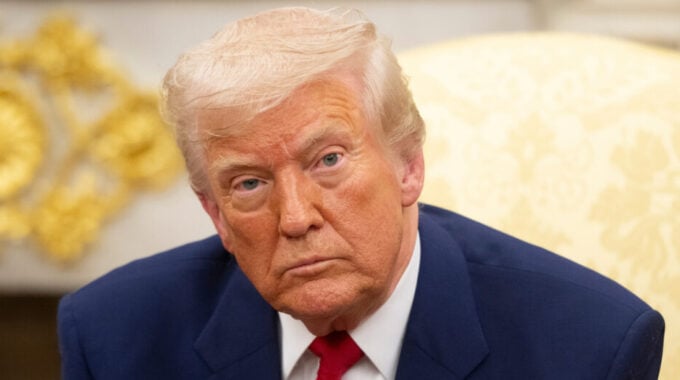
As reported by Engadget, President Trump posted on Truth Social that his administration is opening a Section 301 investigation into the European Union. The trigger? A fresh €890 million (roughly $1 billion) fine slapped on Google by the European Commission. Trump says the investigation will push back against EU penalties on US companies and will likely result in “a substantial TARIFF.” His words, caps included.
“The United States of America is not a ‘PIGGYBANK’ for Europe,” Trump wrote. It’s the kind of post that reads more like a threat than a policy statement. And that’s kind of the point.
So why did Google get fined in the first place? The European Commission found that Google used its search dominance to unfairly promote its own travel and shopping tools, and blocked developers from promoting alternative payment options inside the Google Play Store. Both moves violated the Digital Markets Act, a sweeping 2022 regulation the EU has used to go after Meta, Apple, and now Google. The DMA is Brussels’ big stick for keeping American tech giants in check, and it has real teeth.
Here’s where it gets interesting from a tech and policy angle. Since the Supreme Court struck down Trump’s earlier global tariff plan back in February, the administration has been hunting for workarounds. Section 301 of the Trade Act of 1974 is one of them. It lets the US Trade Representative investigate foreign trade practices that unfairly restrict US commerce, then respond with tariffs. It’s a blunt instrument, but it’s legally available.
The irony is hard to miss. Section 301 tariffs, just like the EU’s fines, can be challenged in court and overturned. So both sides are essentially lobbing legally fragile weapons at each other while tech companies sit in the crossfire.
For consumers and developers, this matters. A serious trade fight between the US and EU could slow down regulatory cooperation, create uncertainty for app stores and digital markets, and make it harder for companies to build consistent global products. None of that is good for the people actually using these apps every day.
Big Tech has always been a proxy for broader geopolitical tensions. This latest fight just makes that more obvious than ever.