Apple hasn’t even shipped its first foldable yet, and the format it’s reportedly copying is already being chased by half the smartphone industry. That’s how fast the wide-screen foldable trend is moving right now.
According to Gizmochina, tipster Digital Chat Station shared details on Weibo listing the brands currently working on wide-screen foldables. These are phones that open into a shorter, wider display rather than the tall, narrow shape most book-style foldables have used for years. The list is long, and it includes some names that will surprise nobody alongside a couple that are still playing catch-up.
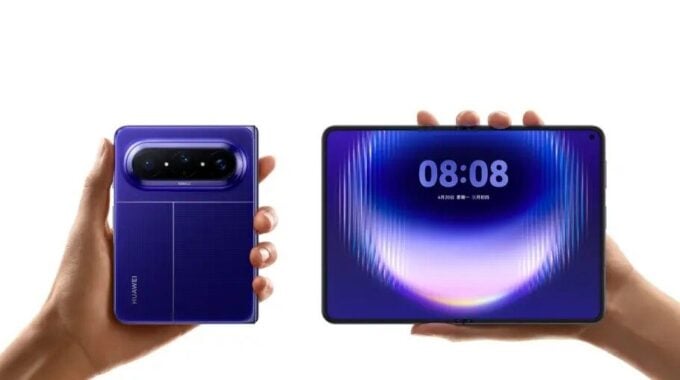
Huawei is the one that started all of this. The Pura X was among the first phones to nail the wide-fold format commercially, and the company has already followed it up with the Pura X Max, a bigger version with newer hardware. So Huawei isn’t just in this race, it’s the one that drew the track.
Samsung has also made its move. The Galaxy Z Fold 8 got a significant redesign this year, shifting to a shorter, wider shape. Samsung kept the tall book-style form factor alive too, just under the Z Fold 8 Ultra name. That tells you something: Samsung is hedging its bets, but it clearly sees where the trend is going.
Xiaomi is next in line. The Mix Fold 5 hasn’t launched yet, but leaked images show a 4:3 aspect ratio display, which is noticeably wider than anything Xiaomi has put out before. It’s expected to ship with HyperOS 4 out of the box. No confirmed launch date yet, but it’s coming.
Then there’s Apple. The company is reportedly preparing its first-ever foldable iPhone, and if the earlier reports hold up, it’s going wide right from the start. A 7.6-inch inner screen with a smaller cover display, launching around September. Apple skipping the tall foldable format entirely and going straight to wide is a significant signal. When Apple commits to a design direction, the rest of the market tends to treat it as confirmation.
Beyond those four, the leak also points to:
- Honor, with a wide foldable reportedly in testing using a Snapdragon 8 Elite Gen 6 chip and a 7,000mAh battery
- Oppo, with the Find N7 tipped for a Q1 2027 launch and a 6,500mAh battery
- Vivo, which is said to still be exploring the category
None of this is confirmed, and timelines can shift. But the sheer number of brands reportedly working on this design at the same time says a lot. Wide-screen foldables aren’t a niche experiment anymore. They’re quickly becoming the format that serious Android makers feel they need to have in their lineup, and with Apple about to join in, that pressure is only going to increase.
The tall foldable isn’t dead, but it’s starting to feel like the conservative choice. What Huawei kicked off with one phone has turned into something the whole industry is chasing. That’s a fast turnaround, even by smartphone standards.