Samsung has a production problem right now, and it’s the best kind to have. The Galaxy Z Fold 8 is selling faster than the company planned for, causing supply bottlenecks. But buried inside that headline is an even more interesting detail: the iPhone users switching to Samsung’s foldables have reportedly doubled compared to last year.
According to a report from Newsis, the share of iPhone users jumping ship to either the Galaxy Z Flip 8 or Galaxy Z Fold 8 is twice what it was when the Z Flip 7 and Z Fold 7 launched in 2025. And the switchers aren’t just any demographic. Most of them are in their teens, 20s, and 30s. That’s the exact crowd Samsung has historically struggled to win over, because younger buyers have long leaned toward Apple for the software experience, the social cachet, and the tight ecosystem.
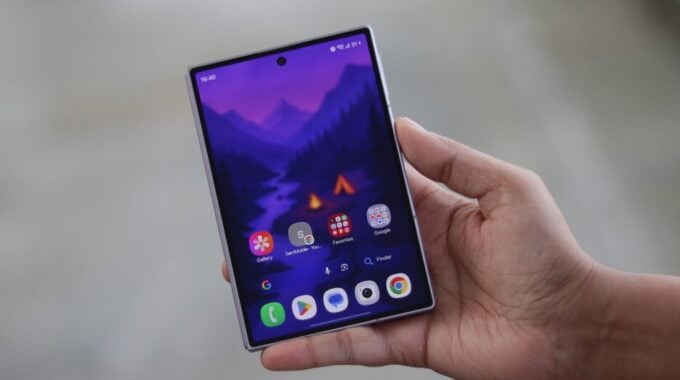
So what changed? A few things. The Galaxy Z Fold 8 itself is a genuinely compelling device this time around. It has a wider aspect ratio, closer to passport proportions than the tall, narrow foldables of previous generations, and Samsung managed to make it thinner and lighter while keeping the large inner screen that makes foldables worth buying in the first place. That screen is a real selling point for video, productivity, and multitasking in a way that earlier Z Fold models just didn’t quite nail.
Google and Samsung also put work into making the actual switch less painful. The updated Smart Switch tool can now transfer call logs, eSIMs, messages, passwords, and passkeys wirelessly, without needing a cable. That might sound like a small thing, but friction is a huge reason people don’t switch phones. Removing that barrier matters more than most spec bumps.
Still, the timing here is complicated. Apple is expected to announce its first foldable iPhone, likely called the iPhone Ultra, on September 9, 2026. That puts Samsung’s switcher momentum on a short clock. Some of those recent converts may genuinely prefer Android foldables after using them. Others might be sitting on the fence, waiting to see what Apple does before fully committing.
Price will be a factor too. The Galaxy Z Fold 8 starts at $1,899 in the US for the 256GB model. Early reports put the iPhone Ultra somewhere between $2,100 and $2,300 for the same storage tier. That’s at least a $200 gap in Samsung’s favor, and in some international markets, the difference could be even wider.
For Samsung, the goal now is retention. Winning a switcher once is one thing. Keeping them when Apple finally enters the foldable space with its full ecosystem pull is a completely different challenge. The next 12 months will show whether these new Galaxy converts are genuinely sold on Android foldables, or just early adopters who’ll flip back the moment Apple’s version ships in volume.