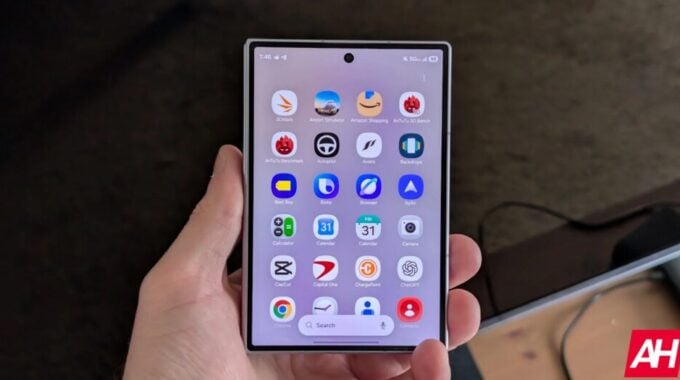
A 50% jump in sales across an entire continent is not a small thing. Samsung just dropped European sales figures for the Galaxy Z Fold 8 and Galaxy Z Fold 8 Ultra, and the numbers make the US results look almost modest by comparison. According to Android Headlines, combined sales of the two phones are up 50% in Europe versus the Galaxy Z Fold 7 since launch. That’s a serious leap for a product category that critics have been calling niche for years.
What makes this more interesting than a simple sales bump is who is actually buying these phones. Samsung says 60% more iPhone users switched to the Galaxy Z Fold 8, Galaxy Z Fold 8 Ultra, or Galaxy Z Flip 8 compared to the previous generation of foldables. That’s not just Android-to-Android shuffling. That’s Apple loyalists picking up a folding Samsung phone, which tells you something real is shifting in how people think about what a premium smartphone should be.
The Galaxy Z Flip 8 is doing its own thing in this story. Samsung reports that 20% of Flip 8 buyers are coming from competing brands, and a good chunk of those people are holding a foldable for the first time. That’s the kind of new customer growth that actually moves markets. Samsung also spotted a pattern of Flip users trading up to the Fold 8 series at a higher rate than they did with the Fold 7. The same trend showed up in the US, so this is starting to look like a real pattern rather than a regional quirk.
For context, the US numbers were already strong. The Galaxy Z Fold 8 series is selling roughly 30% faster than the Fold 7 stateside, with the two Fold 8 models accounting for about 80% of all Galaxy Z purchases in the country. Europe beating that growth rate, at least in percentage terms, is a surprise. The old continent has historically been a tougher sell on foldables, partly because of pricing and partly because the category has taken longer to build trust there.
So what’s actually driving this? Samsung’s own feedback from US customers pointed to how thin and light the Fold 8 is, and the quality of the inner display for multitasking. Fold 8 Ultra buyers flagged the large screen as a standout. These are not specs people are reading about in a review and forgetting. These are the things they’re telling Samsung directly after buying the phone, which means the hardware is actually delivering on what it promises.
The broader picture here is that foldables are no longer a curiosity for early adopters. When you see 50% year-over-year growth in a major market, combined with a meaningful chunk of buyers coming from Apple, the story changes. This is the category growing up. Samsung has put in the years of iteration to get the hinge, the weight, and the software to a point where regular people, not just gadget obsessives, are choosing a foldable over a slab phone. That shift has been slow, but these numbers suggest it’s actually happening now.