
According to a report done on 1,000 people living in the UK over the course of 3 years, it’s expected that by 2015 over 50% of England’s population will use their mobile phone to conduct some sort of transaction involving money, either tapping to pay, thanks to near field communication (NFC) technology, or simply managing their accounts. Just 2 years ago the number of people taking advantage of mobile banking was only 5%, today it’s doubled to 10%, and that growth isn’t expected to slow down. Among the people who bank on their phone, 57% say they use it more frequently today than they did a year ago, and 68% say it’s easier to bank on their handset compared to a bank’s desktop website. The report mentions people’s need for “simple complexity”, meaning instead of performing a transaction via SMS, something many people in Africa are doing on a daily basis, they’d rather have a slick looking mobile app; who can blame them?
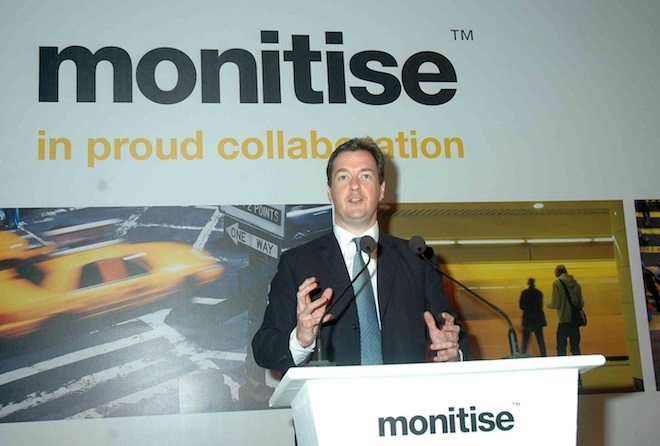
“The driving forces are clear: people wanting to manage their money more closely; the arrival of the smartphone; and the development of 3G networks which transfer all the information required so quickly, plus the creation of new apps and services by banks and retailers. Mobile banking has truly come of age as people no longer see the ability to effectively manage their finances by mobile as a novelty or a ‘nice to have’ but increasingly as the norm.” — Alastair Lukies, Chief Executive of Monitise, the firm that paid for this survey to be done.
As banks try to make their websites more secure, by offering things like two way authentication via a device they mail out to you or a sheet of paper with codes scribbled on it resembling something straight out of WWII, mobile banking takes advantage of the unique identification aspects of mobile so people don’t have to fiddle with all that unnecessary juke. We honestly can’t wait until we never, ever, have to set foot inside a bank again.