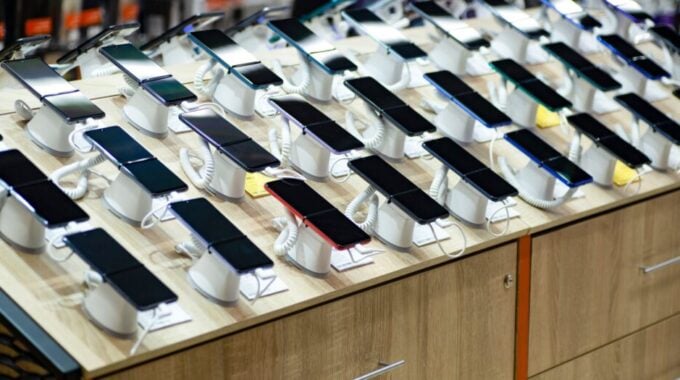
The global smartphone market has hit a wall. After 10 straight quarters of growth, shipments dropped 4-6% in Q1 2026 – the sharpest decline since mid-2023. The culprit? A severe shortage of DRAM and NAND memory components that’s squeezing supply and pushing retail prices up by as much as 50% in emerging markets.
This memory crisis is doing more than just hurting sales numbers. It’s completely reshaping the competitive landscape, with premium brands like Apple and Samsung pulling ahead while volume-focused players like Xiaomi absorb massive losses. The shortage stems from memory suppliers prioritizing AI data center demand over consumer electronics, leaving smartphone makers caught between constrained supply and rising costs they have little choice but to pass on to consumers.
Memory shortage with no quick fix in sight
The root problem is structural, not cyclical. Memory suppliers have been chasing higher-margin AI and data center contracts, leaving smartphone OEMs scrambling for components. Rising energy costs and Middle East logistics pressures have made things worse.
As reported by industry analysts, this represents one of the most challenging environments the smartphone industry has faced. OEMs are responding with tighter cost controls and reduced channel support – measures that protect margins but limit growth potential.
The timeline for relief isn’t encouraging:
- IDC expects memory price stabilization in the second half of 2027
- Counterpoint Research warns the crunch may last until late 2027
- Both firms agree 2026 will be a year of managed contraction rather than recovery
Winners and losers emerge along premium lines
The clearest divide in Q1 was between premium-focused brands with strong supply chains and everyone else. Apple and Samsung were the only top-five brands to register growth, though the data tells a nuanced story.
IDC’s shipment data shows Samsung leading with 62.8 million units and 3.6% growth, driven by the Galaxy S26 Ultra and earlier A-Series rollout. Apple followed at 61.1 million units, up 3.3%. However, Counterpoint’s sell-in data puts Apple in the global lead for the first time in Q1, capturing 21% share with 5% growth while Samsung’s shipments declined 6%.
The volume players took the biggest hits:
- Xiaomi declined 19% globally and 35% in China as its entry-level focus made it vulnerable to rising memory costs
- OPPO and vivo maintained rankings but lost share
- Honor was a standout exception, growing 24-25% through overseas expansion
- Google’s Pixel lineup grew 14% with AI capabilities driving adoption in mature markets
Huawei’s quiet comeback in China
China’s market dynamics tell their own story. Huawei reclaimed the top spot with 20% share – its highest since Q4 2020 – thanks to improving Mate 80 series supply and crucially, its reliance on domestic suppliers that provided a cost buffer against global memory shortages.
Apple placed second in China with 20% year-over-year growth, the strongest among top brands. Government subsidies and promotional pricing helped sustain iPhone 17 series demand. Meanwhile, Xiaomi’s 35% decline in its home market highlighted how exposed volume players are to this crisis.
Counterpoint projects China’s smartphone shipments will decline 9% across 2026, though still outperforming the global average.
Asia Pacific faces affordability crisis
For the broader Asia Pacific region, this memory shortage cuts deepest in the mid-range and entry-level segments that form the backbone of smartphone volumes across Southeast and South Asia. Premium markets remain relatively resilient – Apple’s strong performance in China, India and Japan proves that.
But brands that built their regional presence on affordable volume now face a difficult repositioning challenge. They need to move upmarket without losing the consumer base they’ve spent years building. The impact on emerging markets that depend on sub-$200 devices could exceed what the pandemic delivered – a sobering comparison given how that period disrupted global supply chains.
This isn’t just a temporary supply hiccup. It represents a fundamental shift in how memory suppliers allocate their production capacity, with AI demand continuing to outbid consumer electronics. For smartphone makers and consumers across Asia Pacific, that means adapting to a new reality where affordable devices are becoming increasingly scarce.