The foldable smartphone market is approaching a critical turning point. After years of gradual development, major manufacturers are preparing for what could be the most competitive year yet in the segment.
Apple’s long-awaited entry into foldable phones, expected by late 2026, is forcing Android manufacturers to accelerate their plans and refine their offerings. The result is a market where simply releasing a “good” foldable phone is no longer sufficient to stand out.
Xiaomi returns to the foldable fight
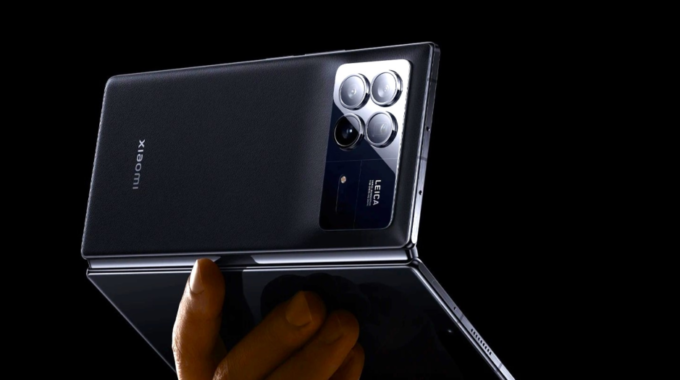
Xiaomi is preparing to return to the foldable market with a new book-style device, as reported by industry observers. The company last competed in this space with the Mix Fold 4, which faced off against Samsung’s Galaxy Z Fold 6 in a less crowded market.
The landscape has changed dramatically since then. While foldable smartphones remain niche compared to traditional devices, consumer familiarity and interest have grown significantly. This shift reflects a market approaching a potential breakthrough moment.
Xiaomi’s upcoming device, whether it launches as the Mix Fold 5 or under a different name like Xiaomi 17 Fold, faces higher stakes than its predecessor. The 2024 Mix Fold had strong hardware and competitive pricing, but software optimization issues and limited global availability prevented a major breakthrough.
Samsung maintains its lead, but challenges emerge
Samsung continues to dominate the foldable market, particularly in regions like the US where brand recognition and distribution give it significant advantages over Chinese competitors. The company is expected to introduce its next generation of foldables, building on recent improvements in durability and usability.
However, Samsung now faces pressure from multiple directions:
- Honor’s Magic V6 features unusually large battery capacities
- Oppo’s latest foldables reportedly have displays with minimal visible creases
- Other Android manufacturers are pushing forward aggressively with new features
These advances address some of the category’s biggest weaknesses and raise expectations across the entire market.
The Apple factor changes everything
The biggest wild card remains Apple’s rumored foldable iPhone. While Android users often express skepticism about Apple’s ability to innovate in this space, the company’s track record suggests underestimating its potential impact would be unwise.
If Apple delivers a foldable iPhone with a nearly crease-free display and strong battery performance, it could do more than compete – it might redefine the entire segment. The company’s entry could capture significant attention and market share, even if the overall foldable market remains relatively small compared to conventional smartphones.
This creates urgency for Android manufacturers. A summer launch could give companies like Xiaomi a strategic advantage, allowing them to build momentum before Apple’s expected unveiling later in the year.
Higher standards across the board
The intensifying competition means manufacturers must excel in multiple areas simultaneously. For Xiaomi specifically, success requires:
- Camera systems that match flagship standards, an area where foldables have traditionally lagged
- Battery capacity that exceeds typical expectations as competitors push limits
- Premium, durable inner displays with minimal creasing
- Refined software that supports seamless multitasking and optimized large-screen experiences
Software optimization has historically been a weak point for Xiaomi in the foldable space, making this area particularly critical for the company’s return.
The window for making a strong impression is narrowing. By the time new devices launch, attention may already be shifting toward Apple’s offering, while Samsung continues refining its established formula.
A defining moment for foldables
The foldable market has evolved from experimentation to execution. Success now depends on polish, performance, and positioning rather than simply proving the concept works.
2026 may mark the most intense competition yet in this segment, with Samsung refining its market lead, other Android manufacturers pushing on price and features, and Apple preparing what will likely be a carefully calculated entry.
For manufacturers like Xiaomi, the challenge is clear: deliver exceptional products quickly, or risk being overshadowed as the spotlight moves to Apple’s interpretation of foldable technology. The race is no longer just about who can make a working foldable phone – it’s about who can make the best one when it matters most.