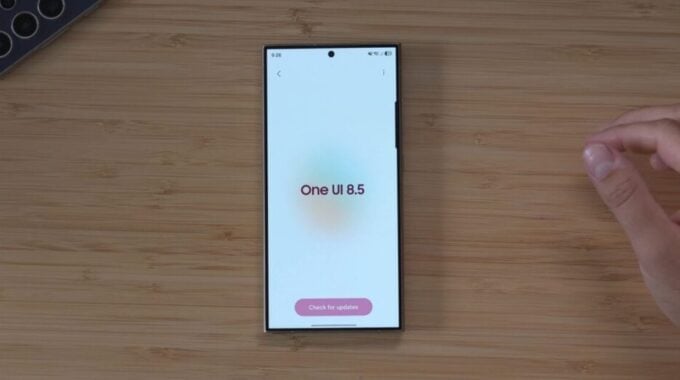
Samsung has begun the global rollout of One UI 8.5 for its Galaxy S24 series, bringing the Android 16 QPR2-based update to users worldwide after initial releases in South Korea and the United States. The update is now reaching European markets, with other major regions expected to follow soon.
The timing of this global expansion follows Samsung’s typical software distribution pattern, where updates launch in South Korea first before spreading to other markets. Based on the company’s historical rollout schedule, major markets including India should receive access to One UI 8.5 within the coming weeks.
Users can check for the update by navigating to Settings > Software update > Download and install on their Galaxy S24, Galaxy S24+, or Galaxy S24 Ultra devices. Samsung announced that the stable version is now available after completing its testing phases.
One UI 8.5 represents a significant visual overhaul for Samsung’s Android skin. The update introduces a cleaner, more refined interface design that improves consistency across the system compared to the previous One UI 8.0 release. The changes extend beyond simple cosmetic updates to include functional improvements throughout the user experience.
This update matters because it signals Samsung’s continued commitment to keeping its flagship devices current with the latest Android features while maintaining its distinctive interface design. The global rollout also demonstrates Samsung’s improved software distribution capabilities, getting major updates to users faster than in previous years.
The One UI 8.5 release comes at a time when Android manufacturers are focusing heavily on software differentiation and longer support cycles. Samsung has been particularly aggressive in this area, promising extended update support for its flagship devices and delivering major Android updates more quickly than many competitors.
For Galaxy S24 series owners, this update represents one of the most significant software improvements since the phones launched. The refined interface and new features help extend the devices’ relevance and improve the overall user experience without requiring a hardware upgrade.