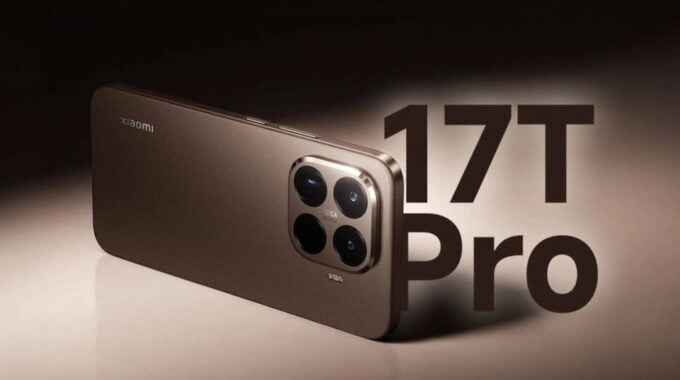
Xiaomi’s upcoming 17T series appears to be taking shape with new pricing details emerging for both the standard 17T and 17T Pro models. The leak comes as Xiaomi continues to expand its mid-range portfolio, targeting consumers who want flagship features without the premium price tag.
The pricing information surfaced through industry sources, though specific figures and market availability remain under wraps. This follows Xiaomi’s typical pattern of testing pricing strategies in select markets before broader rollouts.
The 17T series represents Xiaomi’s ongoing effort to dominate the competitive mid-range smartphone segment. This market has become increasingly important as consumers seek devices that offer flagship-level photography, performance, and build quality at more accessible price points. Brands like OnePlus, Nothing, and Google have all intensified their focus on this space over the past year.
Xiaomi has historically used its T-series devices to bridge the gap between its mainstream numbered series and budget-focused Redmi lineup. These phones typically feature updated processors, improved cameras, and refined designs compared to their predecessors, while maintaining competitive pricing that undercuts direct competitors from Samsung and other major manufacturers.
The timing of this leak aligns with Xiaomi’s usual product cycle, suggesting the company may be preparing for a spring or early summer launch window. This would position the 17T series to compete directly with Samsung’s Galaxy A-series refresh and other mid-range offerings expected throughout 2025.
Industry observers note that pricing will be critical for the 17T series’ success, especially as component costs have risen and competition has intensified. Xiaomi’s ability to maintain its aggressive pricing strategy while delivering meaningful upgrades will likely determine whether these devices can capture significant market share in key regions including Europe, India, and Southeast Asia.
The leak also highlights Xiaomi’s continued confidence in the global smartphone market despite facing various regulatory challenges and increased competition from Chinese rivals like Oppo and Vivo, who have also been expanding their international presence aggressively.