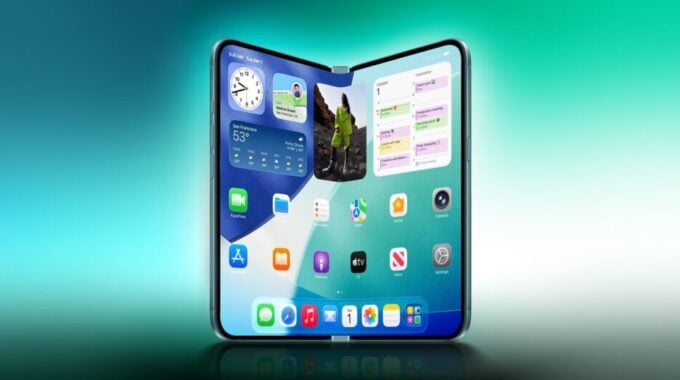
Apple’s first foldable iPhone will include an innovative liquid metal hinge, according to a new leak from the Chinese leaker “Fixed Focus Digital.” The same source revealed that Apple has shipped prototype units to carriers around the world for testing, suggesting the device is moving closer to launch.
This development comes just one day after the leaker claimed the foldable iPhone would include vapor chamber cooling. Fixed Focus Digital says development and production are now “progressing rapidly,” marking a significant step forward for Apple’s entry into the foldable smartphone market.
The liquid metal hinge detail addresses ongoing concerns about production difficulties that have plagued the project. Earlier reports from another leaker, “Instant Digital,” suggested manufacturing problems stemmed from the hinge failing Apple’s quality control standards during repeated folding tests. Fixed Focus Digital had previously disputed this characterization, and today’s post positions the hinge as a resolved design element.
Liquid metal offers several advantages that make it ideal for a foldable phone’s most critical component:
- Higher strength-to-weight ratio than conventional metals
- Superior resistance to corrosion and wear
- Better durability under repeated stress
- Ability to withstand hundreds of thousands of fold cycles
Apple has experimented with liquid metal for over 15 years, though mostly in minor applications. The company signed an exclusive deal with Liquidmetal Technologies in 2010, securing a perpetual worldwide license for consumer electronics use. So far, Apple has primarily used the material for small components like SIM ejector tools and certain internal parts. Using it for a structural hinge mechanism would be far more demanding.
The challenge with liquid metal has always been scaling production for larger structural components. Apple has repeatedly renewed its partnership with Liquidmetal Technologies, and the material continues to appear in patent filings for hinges and moving parts, suggesting the company has been working toward this application for years.
Supply chain analyst Ming-Chi Kuo first reported in March 2025 that the foldable iPhone’s hinge would use liquid metal, with Dongguan EonTec as the exclusive supplier. A January supply chain report supported these plans, though Fixed Focus Digital had expressed doubt in April, claiming Apple was still choosing between liquid metal and 3D-printed titanium alloy.
The news that prototypes have reached global carriers represents an important milestone. This testing phase typically happens when devices are complete enough for network compatibility and carrier certification processes that must occur before commercial launch. DigiTimes reported in April that mass production was planned for July, while Bloomberg’s Mark Gurman said the device remains on track for a September debut alongside the iPhone 18 Pro and iPhone 18 Pro Max.
The foldable iPhone is expected to feature a 7.8-inch inner display and 5.5-inch cover display, powered by Apple’s A20 chip and C2 modem. Notably, it will reportedly use Touch ID instead of Face ID and include two rear cameras. Pricing is rumored to start around $2,000, positioning it as a premium offering above even Apple’s Pro Max models.
This timing puts Apple several years behind competitors like Samsung, which has been selling foldable phones since 2019. However, Apple’s approach of waiting until the technology matures before entering new categories has proven successful in the past with products like smartwatches and tablets. The focus on solving durability issues through advanced materials like liquid metal suggests Apple is prioritizing long-term reliability over being first to market.