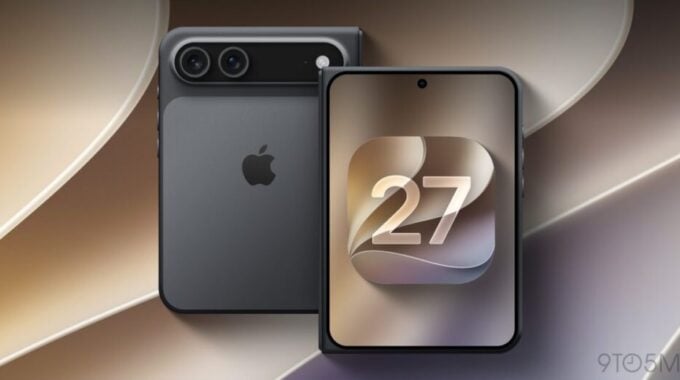
Apple hasn’t even launched the iPhone Ultra yet, but the company may have already decided to build a second one. That’s the claim from leaker Digital Chat Station, who has a reasonable track record on Apple supply chain information and is now saying that the iPhone Ultra 2 has received internal approval.
At the same time, the same source says Apple has not made a final call on whether to proceed with an iPhone Air 3. The contrast is interesting, and it says something about how Apple thinks about risk and product strategy across its lineup.
The iPhone Ultra has had a bumpy road to launch. Earlier this year, there were reports suggesting it could slip to December 2025 or even into early 2026. Those concerns appear to have passed. According to 9to5Mac, recent reports consistently point to a September launch alongside the iPhone 18 Pro, which would keep it on a normal fall release schedule.
Digital Chat Station’s post on the Ultra 2 is short on specifics. The leaker doesn’t say what new features the second-generation model might bring. The one detail offered is that Apple will likely reuse the same display from the first model, which suggests the screen technology isn’t getting a major overhaul for the follow-up.
The iPhone Air situation is more uncertain. Apple is widely expected to release an iPhone Air 2 with a second camera, likely an ultrawide lens to address one of the biggest criticisms of the original single-camera design. But according to Digital Chat Station, Apple wants to see how that model performs commercially before committing to an Air 3. Sales numbers, not internal enthusiasm, will drive that decision.
It’s worth keeping some perspective on what these reports actually mean in practice. Apple runs product development cycles that stretch years into the future, so having a team working on an iPhone Ultra 2 while the first model is still weeks from launch is completely normal. A green light at this stage doesn’t guarantee the product ships. If the original Ultra underperforms badly, the follow-up project can be shelved without much disruption.
The same logic applies to the Air. There’s almost certainly an internal team exploring what an Air 3 could look like, even if leadership hasn’t officially signed off on production. Apple rarely stops exploring options; it just decides later which ones to actually build.
One possible explanation for why the Ultra 2 seems further along in approval than the Air 3 comes down to pricing. If Apple’s engineering teams have found a way to bring the cost of building an Ultra down significantly, the company might feel more confident committing to a second generation even before seeing how the first one sells. A cheaper Ultra 2 could reach a wider audience, which reduces the financial risk of moving forward early.
The iPhone Ultra is shaping up to be Apple’s most expensive and technically ambitious iPhone yet, sitting above the Pro Max in the lineup. How consumers respond to it, both in terms of price tolerance and demand, will tell Apple a lot about where to take the product next. The Air, meanwhile, is targeting a completely different buyer: someone who wants a thin, light iPhone at a lower price point. Those are two very different bets, and Apple appears to be tracking them separately.