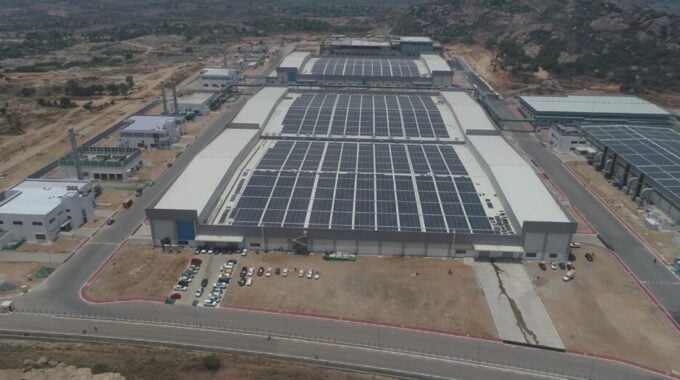
India wants Apple to stick around, and it’s willing to put serious money where its mouth is. According to AppleInsider, the Indian government is considering a draft proposal that would extend a tax exemption on manufacturing machinery and component imports from 2031 all the way to 2041. That’s a decade of extra runway for Apple’s expanding production network in the country.
This matters because Apple has been quietly but aggressively shifting iPhone production away from China for years now. India is central to that strategy. Tata, Foxconn, and other contract manufacturers are already operating there, and the Indian government has been throwing incentives at Apple to keep the momentum going. The original machinery tax exemption came about in February, after Apple lobbied against being taxed on equipment it owned in India but lent to those contract partners. So this extension isn’t charity. It’s the government doubling down on a bet it’s already made.
But the proposals go further than just machinery. The draft also covers component storage and shipping for export-focused production. Foreign companies would be able to import and store parts in customs-bonded zones, which sit outside India’s normal tax border. Anything manufactured there and exported out of the country would avoid import duties entirely. Sell those products inside India, though, and the taxes kick back in as normal.
For Apple, this is a clean win on paper. It already got some import duty cuts on select smartphone components back in July. The new proposal would push those same taxes down to zero, but only for export production. So if you’re buying an iPhone made in India and shipped to the US or Europe, this is the policy making that more financially attractive for Apple to keep scaling up.
The draft also touches on data centers. India introduced a tax exemption in February for foreign companies running data centers there to serve global users, valid until 2047. The new proposal lets Indian partners lease those facilities rather than own them outright, which lowers the capital barrier and opens the door for smaller local firms. For Apple, it’s a flexibility boost if it ever wants a bigger data footprint in the region.
Still, none of this is law yet. The draft needs to pass through both houses of Parliament, a process that could take months or years. So Apple isn’t celebrating quite yet. But the direction of travel is clear: India is building a serious case for itself as a long-term iPhone manufacturing hub, and Apple seems very willing to listen.