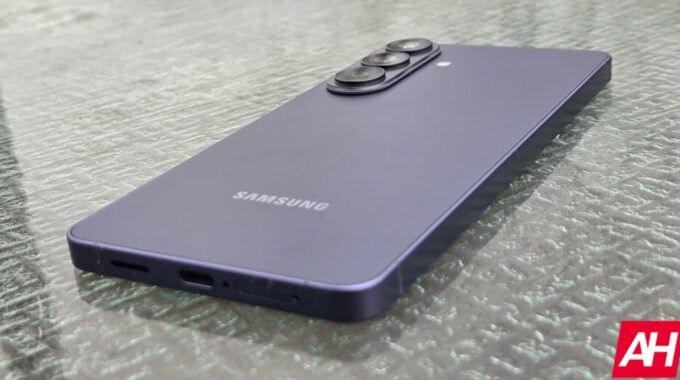
If you were already on the fence about buying a Samsung Galaxy S26, here’s some news that might push you to act fast. According to Android Headlines, the entire Galaxy S26 lineup could get a price increase in South Korea as soon as October 1, with each model getting slapped with an extra KRW 149,600, which works out to roughly $111.
The report comes from Korean publication Hans Economy, and while Samsung hasn’t confirmed anything officially, the numbers being floated are specific enough to take seriously. The Galaxy S26 would go from KRW 1,254,000 to KRW 1,403,600. The S26+ would jump from KRW 1,452,000 to KRW 1,601,600. And the Galaxy S26 Ultra would climb from KRW 1,797,400 all the way to KRW 1,947,000. That’s close to $1,451 for the top-tier model, which is not pocket change.
The reason? RAMageddon. It’s a term that’s been floating around the tech industry for a while now, and it refers to the sharp spike in memory component prices that’s been hitting manufacturers across the board. RAM costs more, so phones cost more. Simple, painful math. Samsung is hardly alone here. Apple already raised prices on the new iPhone lineup, and hikes have hit iPads, Macs, and Apple Watches too. This is an industry-wide squeeze, not a Samsung-specific cash grab.
What makes this slightly ironic is that Samsung actually manufactures its own RAM. You’d think that would give them some cushion. But even with vertical integration, the company has to draw a line somewhere, and it looks like that line is October 1. The rising cost of memory affects the entire supply chain, not just companies buying components from third parties.
Now, the big question for anyone outside of South Korea: does this price hike spread to other markets? Historically, when Samsung adjusts pricing in one major region, other markets tend to follow. It doesn’t always happen immediately, and the exact amount can vary. But if you’re in the US, Europe, or Southeast Asia, it would be naive to assume you’re immune. The $111 increase could even be higher elsewhere depending on exchange rates and local pricing structures.
Here’s the bigger picture. Flagship smartphones were already getting harder to justify on price. The Galaxy S26 series launched at a premium, and if these increases go through, we’re looking at a new ceiling for what a Samsung flagship costs at retail. And this almost certainly means the Galaxy S27 series will launch at even higher prices. That trend isn’t slowing down anytime soon.
So if you’ve been waiting for a reason to finally pull the trigger on a Galaxy S26, a potential $111 jump in four weeks might be that reason. Or it might not happen at all. Samsung still hasn’t said a word. But given everything happening with component costs right now, betting against a price increase feels like the riskier move.