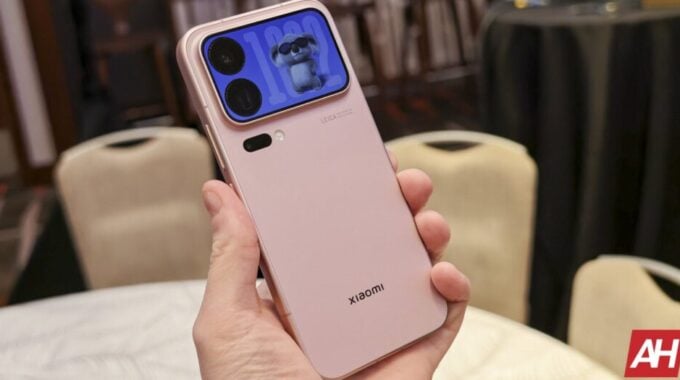
The Xiaomi 18 Pro Max already packs 8,500mAh into a phone that also has a rear display and a serious camera system. That number is already absurd by most standards. But according to Android Headlines, it might soon look modest compared to what’s coming next.
Popular leaker Digital Chat Station posted on Weibo that a major Chinese manufacturer, almost certainly Xiaomi, is actively testing Apple’s rigid steel battery casing architecture. This is the same design Apple introduced on the iPhone 16 Pro, refined on the iPhone 17 Pro, and carried into the iPhone 18 Pro Max, where it helped push capacity to a reported 5,391mAh. Apple figured out something real with this design. And now Android brands want in.
So why does the casing material matter so much? Traditional smartphones use soft-pouch batteries, basically cells wrapped in aluminum-laminated film. These pouches swell over time as you charge and discharge them. Because engineers know that swelling is coming, they have to leave empty buffer space inside the phone chassis to account for it. That dead space is capacity you never get to use. A rigid steel shell eliminates the swelling problem entirely, which means no buffer gaps, tighter component packing, and better passive heat management as a bonus.
But here’s where it gets interesting. Apple cracked the casing problem, while Android manufacturers, especially Chinese brands, have been ahead on cell chemistry for years. Xiaomi and others use stacked silicon-carbon cells, which layer cathode and anode materials in a zig-zag pattern rather than rolling them into the traditional jelly-roll structure. That approach reduces internal resistance and replaces graphite with silicon, which stores more energy in less physical space. Combine Apple’s space-saving steel shell with Android’s denser cell chemistry, and the math starts pointing toward 9,000mAh to 10,000mAh in a phone that doesn’t feel like a brick.
That kind of capacity would genuinely change how people think about charging. Right now, even heavy users treat daily charging as a given. A phone with 10,000mAh and efficient silicon could realistically last two to three days under real-world conditions. That’s not a minor spec bump. It’s a shift in how the device fits into your life.
Still, there are real trade-offs to work through. Steel is heavier than the soft aluminum pouches it replaces, and fitting a cell that large into a flagship form factor means solving some tricky thermal and structural puzzles. Weight distribution matters too. A phone that’s bottom-heavy because of a massive cell is uncomfortable to hold for long periods, no matter how impressive the battery life is.
The engineering challenges are legitimate, but they’re not deal-breakers. Battery anxiety is one of the most consistent complaints from smartphone users across every price point. If manufacturers can actually deliver multi-day endurance without ballooning the phone’s thickness, that’s a real win. A few extra grams is a trade most people would make without hesitation.