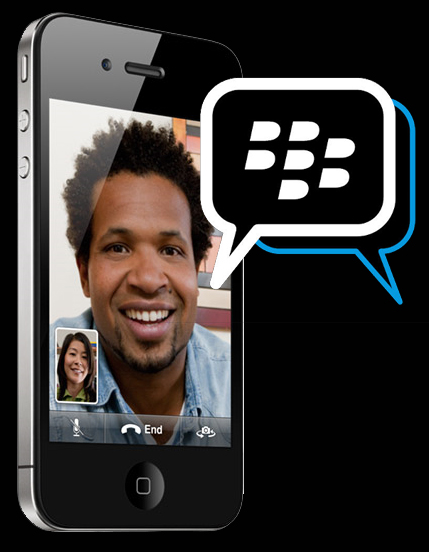

There’s a rumour floating around that RIM’s co-CEO Jim Balsillie spoke in Toronto yesterday and announced that BlackBerry Messenger and “other services” would be coming to iPhone on April 26, followed-up with a new notification system for BBM on iOS in the summer. The fact that the rumour originated from some random dude on a forum without any corroboration should have been enough to dissuade anyone from blogging about it, but I guess the previous rumours of BBM on iPhone had set something of a precedent and enough of a hook to get folks posting. I just pinged RIM, and they said Jim Balsillie didn’t speak at any event in Toronto this week, effectively smashing this rumour.
For those unfamiliar, BlackBerry Messenger is a proprietary instant messaging client loaded up onto every RIM smartphone. Messages are pumped through RIM’s servers in Waterloo, so they’re sent securely, and with the swiftness. One of the key features for a long time has been notifications for when messages are successful sent and when they’re read, but there’s also group chat, sharing for pictures, calendars, and files, as well as some integration with the native media player so your status reflects what music you’re listening to. There have been a rash of third-party apps that have been trying to provide this functionality across multiple platforms, and are being met with relative success.
Now, that’s not to say BBM is never coming to iOS, but I’d wager if it’s going anywhere, it’s headed to Android first given the PlayBook’s recently-announced compatability. The whole idea does have folks wondering how much confidence RIM still has in their own products, but these cross-platform moves aren’t entirely outside RIM’s DNA; they had the BlackBerry Application Suite awhile back which effectively ran the BlackBerry OS on Windows Mobile, and before that they had a the Built for BlackBerry program where manufacturers outside of RIM could use the OS. Taking the battle to Apple will be difficult, since they control what gets into the iPhone’s App Store. The success of BBM on iPhone would be defined by whether losing exclusivity of a key feature is outweighed by introducing it to a broader audience (and at very least making some revenue off the app, if not successfully converting users).