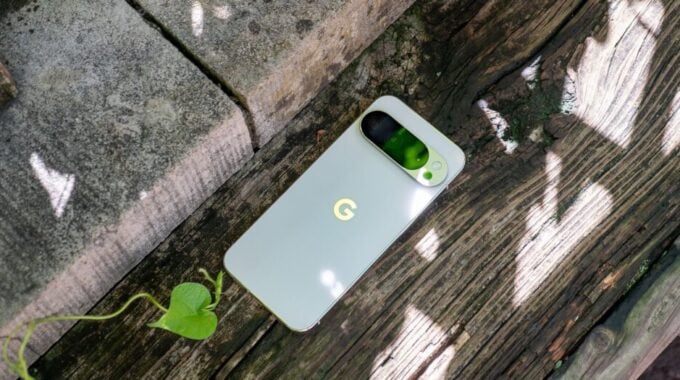
Google appears to be working on a mysterious new feature called ‘Pixel Glow’ that could fundamentally change how users interact with their smartphones through AI-powered ambient lighting. The feature has surfaced in multiple leaks and rumors, painting a picture of Google’s ambitious plans to make artificial intelligence more visually integrated into the Pixel experience.
The timing of these leaks is particularly interesting as Google continues to push deeper into AI integration across its hardware ecosystem. With competitors like Apple and Samsung racing to incorporate more sophisticated AI features into their devices, Google’s approach seems focused on creating new ways for AI to communicate with users beyond traditional screens and notifications.
According to Android Central, the Pixel Glow feature appears designed to work in conjunction with Google’s AI assistant capabilities. While specific technical details remain scarce, the concept suggests a system where the phone’s exterior lighting responds to AI interactions, potentially providing visual feedback for various smart assistant functions.
This development fits into Google’s broader strategy of making AI more ambient and less intrusive. Rather than constantly looking at screens for AI responses, users might receive visual cues through subtle lighting changes on their device. The approach could be particularly useful for notifications, AI processing status, or even mood-based lighting that adapts to user behavior patterns.
The leaked information suggests this isn’t just a simple notification LED revival. Modern smartphones largely abandoned notification lights years ago, but Google’s Pixel Glow concept appears more sophisticated. The system could potentially:
- Respond to different types of AI queries with distinct lighting patterns
- Provide visual feedback during AI processing or thinking phases
- Create ambient lighting that matches user preferences or environmental conditions
- Signal when the AI assistant is actively listening or processing commands
From a competitive standpoint, Pixel Glow represents Google’s attempt to differentiate its hardware through unique AI integration. While other manufacturers focus on processing power or camera capabilities, Google continues betting on software-driven features that showcase its AI expertise. This aligns with the company’s historical approach of using Pixel devices as showcases for Google’s latest technological capabilities.
The feature could also address some user experience challenges with current AI assistants. Many users struggle to know when their device is processing AI requests or if commands were properly received. Visual feedback through ambient lighting could make these interactions feel more natural and responsive.
However, questions remain about battery impact and practical implementation. Ambient lighting systems typically require additional hardware components and can drain battery life if not properly optimized. Google will need to balance visual appeal with the power efficiency that smartphone users demand.
The leaked details don’t specify which Pixel models might first receive this feature, though speculation points toward future flagship devices. Google often tests new concepts in its premium phones before potentially expanding to mid-range models, following the same pattern seen with computational photography features and AI capabilities.