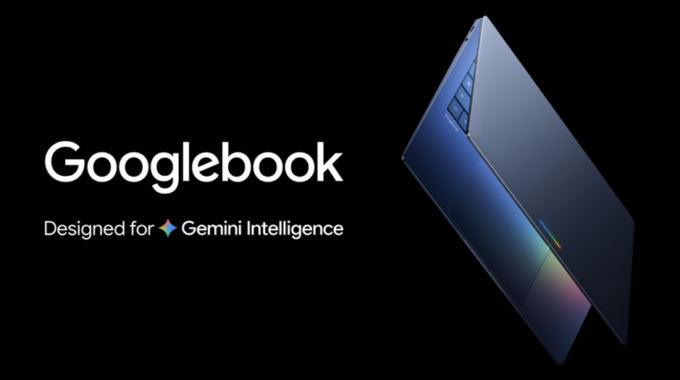
Google is taking a new approach to laptops with the Googlebook, a device that combines Android and ChromeOS into what the company calls an “intelligence system.” These new computers put Google’s Gemini AI assistant at the center of the user experience, promising smarter interactions and better integration with Android phones.
The move represents a significant shift for Google’s hardware strategy. While Chromebooks focused on cloud computing, Googlebooks aim to make AI assistance central to how people use laptops. This reflects the broader industry trend toward AI-powered computing experiences that adapt to user needs.
Gemini AI takes center stage
Google announced that Googlebooks are the first laptops designed specifically for Gemini Intelligence. The most notable new feature is Magic Pointer, developed with Google’s DeepMind team.
Magic Pointer changes how the cursor works on laptops. Users can wiggle their cursor to activate Gemini, which then offers contextual suggestions based on what they’re pointing at. The feature can:
- Turn dates in emails into calendar invitations
- Combine images to show how furniture might look in a room
- Provide quick actions for various on-screen elements
The laptops also include “Create your Widget” functionality. This lets users generate custom desktop widgets by simply asking Gemini. The AI can pull information from Gmail, Calendar, and web searches to create personalized dashboards for specific projects or events.
Android ecosystem integration
Google’s decision to build on Android rather than just ChromeOS enables tighter integration with Android phones. The company says this approach allows faster innovation rollouts across all devices.
Key integration features include:
- Direct access to phone apps from the laptop
- Quick Access file browser for viewing phone files without transfers
- Seamless switching between laptop and phone workflows
This integration addresses a common user frustration – the disconnect between mobile and desktop experiences. Google is betting that smoother device transitions will appeal to users who regularly switch between phones and laptops throughout their day.
Hardware partnerships and availability
Google is working with major PC manufacturers including Acer, ASUS, Dell, HP, and Lenovo to produce the first Googlebooks. The company promises premium materials and craftsmanship across different form factors.
Each Googlebook will feature a distinctive “glowbar” – a visual element that Google describes as both functional and aesthetic. This appears to be Google’s way of creating a recognizable design language for the new category.
The laptops will launch this fall, with more details coming later this year. Google has set up googlebook.com for interested users to learn more about the devices as information becomes available.
The Googlebook represents Google’s attempt to create a new laptop category at a time when AI capabilities are becoming key differentiators in consumer devices. Success will depend on whether users find genuine value in the AI-powered features and seamless Android integration that Google is promising.