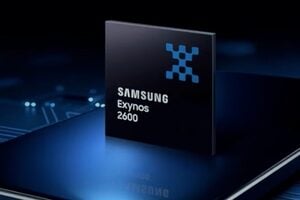
Samsung Electronics is making a significant design change for its next-generation mobile processor. The company plans to abandon the advanced Fan-Out Wafer Level Packaging (WLP) technology it has used since the Exynos 2400, opting for a different approach with the upcoming Exynos 2700 chip.
The decision comes down to economics. While WLP improved thermal management, manufacturing costs have proven too high to maintain profitability. This marks a notable shift for Samsung’s flagship processor strategy as the company balances performance gains against financial returns.
According to industry sources, Samsung will not apply WLP advanced packaging technology to the Exynos 2700, which is being developed for next year’s flagship phones. The company had consistently used this technology from the Exynos 2400 through the recently launched Exynos 2600.
WLP technology involves completing electrical connections and molding processes while chips remain on the wafer, then cutting them into individual chips. This method allows packaging without increasing chip size, making it ideal for ultra-compact mobile devices.
Samsung initially adopted WLP with the Exynos 2400 in 2024 after using traditional printed circuit board (PCB) mounting through the Exynos 2200. The silicon wafer-based approach offered superior heat dissipation properties, with Samsung claiming up to 16% reduction in thermal resistance when first introducing WLP.
The company continued this approach with the Exynos 2600, adding Heat Path Block (HPB) technology. This copper-based thermal component optimizes heat transfer paths in the Package-on-Package (PoP) structure where processors and DRAM are stacked. The Exynos 2600 currently powers Samsung’s Galaxy S26 series launched earlier this year.
However, the manufacturing complexity and yield risks associated with WLP have created profitability challenges. A semiconductor industry official explained that while flagship Exynos processors showed performance and thermal management improvements with WLP, the packaging complexity and yield risks hurt profitability. Limited volume makes it difficult to offset the higher costs.
Instead of WLP, Samsung will implement a Side-by-Side (SbS) architecture for the Exynos 2700. This design places the mobile processor and DRAM horizontally on the same substrate rather than stacking DRAM vertically above the processor. The approach aims to:
- Increase heat dissipation surface area
- Improve cooling efficiency
- Maintain HPB technology from the Exynos 2600
- Potentially improve power efficiency
Another industry source noted that while HPB provided good heat dissipation in the Exynos 2600, battery efficiency wasn’t optimal. The side-by-side layout with broader surface area could address both thermal management and power efficiency concerns.
This technical shift comes as Samsung seeks to expand Exynos adoption in its flagship phones. The current Exynos 2600, while successfully reaching mass production, only appears in Galaxy S26 base and Plus models in select regions including Korea and Europe.
The Exynos series represents a crucial strategic product for Samsung. These in-house processors strengthen the company’s negotiating position with Qualcomm, its primary mobile processor supplier, while reducing procurement costs. Samsung’s mobile processor purchases totaled 13.8 trillion won last year, up 26.5% from the previous year’s 10.9 trillion won.
The stakes are high for the Exynos 2700’s success. Samsung’s System LSI business needs to prove that its flagship processors can compete effectively while maintaining reasonable production costs. The shift away from expensive WLP packaging suggests the company is prioritizing sustainable economics over cutting-edge manufacturing techniques.
Shin Seung-cheol, Vice President of Samsung Electronics System LSI sales team, recently stated during an earnings conference call that the Exynos 2700 is being developed without issues, leveraging the flagship technology competitiveness secured with the Exynos 2600. He expressed expectations for expanded market share through enhanced AI performance capabilities.