Samsung Electronics will equip its upcoming Galaxy S27 Pro with a 6.47-inch OLED display, marking the first time the company has used this screen size in its flagship smartphone lineup. The new model will be part of a four-device Galaxy S27 series expected to launch in the first half of next year.
The move represents Samsung’s biggest structural change to its flagship phone strategy since 2020, when it established the current three-model system of standard, plus, and ultra variants. The expansion comes as the company seeks to break out of stagnating smartphone demand and offer consumers more differentiated choices.
Industry sources revealed that Samsung is preparing four models for the Galaxy S27 series, with the new addition featuring the previously untested 6.47-inch display size. The Pro model is expected to share most specifications with the top-tier Ultra variant but will remove the S Pen input functionality.
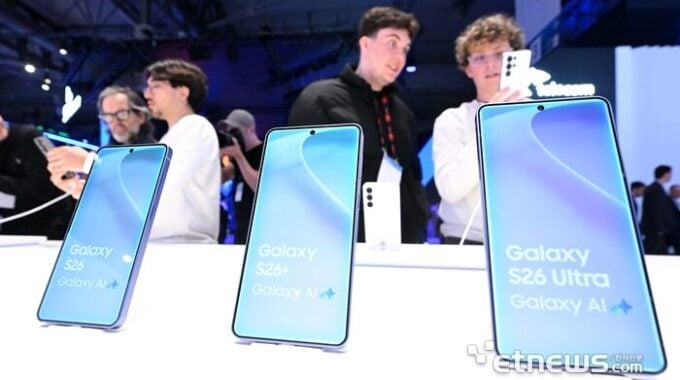
This screen size sits between the current Galaxy S26 lineup dimensions:
- Galaxy S26 standard: 6.27 inches
- Galaxy S26 Plus: 6.66 inches
- Galaxy S26 Ultra: 6.89 inches
The decision to add a fourth model comes after Samsung’s previous attempt at diversification fell flat. The company had developed the Galaxy S25 Edge with a 6.56-inch display, designed as a thinner alternative to replace the Plus model. However, poor market reception forced Samsung to scrap the Edge and return to the traditional Plus format for the S26 series.
Samsung’s strategy shift mirrors Apple’s four-model iPhone approach, which includes standard, Air, Pro, and Pro Max variants. Apple’s iPhone 17 series features screen sizes ranging from 6.26 inches for both the standard and Pro models to 6.86 inches for the Pro Max, with the Air model at 6.55 inches.
The timing is critical for Samsung’s mobile division. The company has followed a predictable pattern of releasing Galaxy S series phones early in the year and foldable devices in the second half. While performance has steadily improved, the lack of significant design changes has made it difficult for consumers to perceive meaningful differences between generations.
This design stagnation has contributed to plateauing smartphone demand globally. Samsung’s new four-model approach represents an attempt to reinvigorate interest by providing more screen size options and feature combinations to match diverse user preferences.
The Pro model’s positioning as a high-end device without S Pen functionality could appeal to users who want Ultra-level performance and features but prefer a more streamlined experience. This segmentation strategy allows Samsung to capture different price points and use cases within its premium lineup.
Whether this expanded lineup can successfully differentiate Samsung’s offerings and drive renewed consumer interest will be closely watched when the Galaxy S27 series launches next year. The success or failure of this strategy could influence how other smartphone manufacturers approach their own flagship portfolios in an increasingly competitive market.