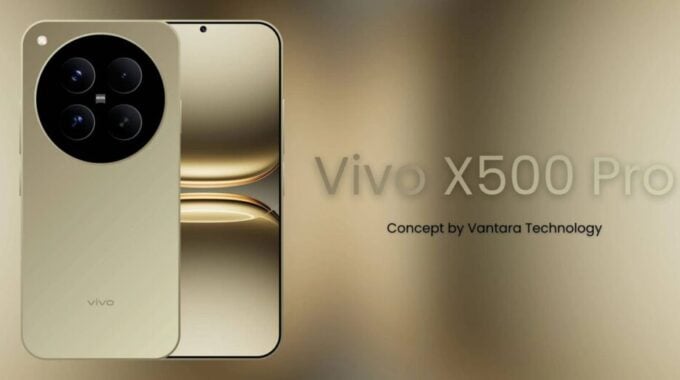
The Vivo X500 Pro’s camera specifications have surfaced online, showing the company’s strategy to differentiate its flagship lineup through sensor selection rather than megapixel wars. Digital Chat Station revealed on Weibo that the upcoming phone will feature a triple camera system built around LOFIC sensor technology and Sony’s new IMX06H periscope sensor.
The leak confirms that Vivo is keeping the 200MP camera exclusive to the Pro Max model. This deliberate separation ensures clear hardware differentiation between the two flagship phones, giving buyers a concrete reason to choose the more expensive model if they need extreme zoom capabilities.
The camera leak comes as smartphone manufacturers face increasing pressure to differentiate their flagship models in meaningful ways. While many brands have focused on adding more sensors or increasing megapixel counts, Vivo appears to be taking a different approach by emphasizing sensor quality and specific use cases for each focal length.
The X500 Pro’s camera system centers around three key components:
- 50MP primary camera with 1/1.28-inch sensor and LOFIC technology
- 50MP ultra-wide camera
- 64MP periscope telephoto with approximately 3x optical zoom
The most significant detail is Vivo’s choice of Sony’s new IMX06H sensor for the periscope telephoto camera. Most current flagship phones use the OmniVision OV64B for their 64MP periscope systems. This sensor has become the industry standard, offering capable performance but no real differentiation between brands.
Sony’s IMX06H represents a departure from this trend. The sensor has seen limited commercial deployments, making it a more exclusive choice that could provide genuine imaging advantages. The 64MP resolution at 3x optical zoom also allows for meaningful lossless cropping beyond the native optical range, effectively extending the usable zoom window significantly past 3x magnification.
The primary camera benefits from LOFIC (Lateral Overflow Integration Capacitor) technology, which prevents highlight detail loss in extremely bright conditions by expanding the sensor’s effective dynamic range. Vivo already used LOFIC technology successfully in the X300 series. The X500 Pro’s implementation on a larger 1/1.28-inch sensor should provide better light gathering capabilities and improved base image quality.
This focus on dynamic range improvements addresses one of the key challenges in smartphone photography. While most phones can capture decent images in good lighting, handling extreme contrast situations – like bright skies with dark foregrounds – remains difficult. LOFIC technology specifically targets this problem.
The X500 Pro will also feature the Dimensity 9600 series chipset built on a 2nm process, making it one of only two compact Pro flagship phones expected to use this processor in 2026. The phone will have a 6.37-inch flat OLED LTPO display with 1.5K resolution and a battery capacity exceeding 7,000mAh. It will run Android 17 with OriginOS 7.
Vivo plans to launch the X500 series in China this September, with global availability expected in November or December. The compact size of the X500 Pro positions it as an option for users who want flagship performance and advanced imaging capabilities without the larger footprint of the Pro Max model.
The camera strategy reflects broader trends in the smartphone market, where manufacturers are moving away from simply adding more sensors or increasing megapixel counts. Instead, companies are focusing on sensor quality, computational photography improvements, and specific use case optimization to create meaningful differences between their products.