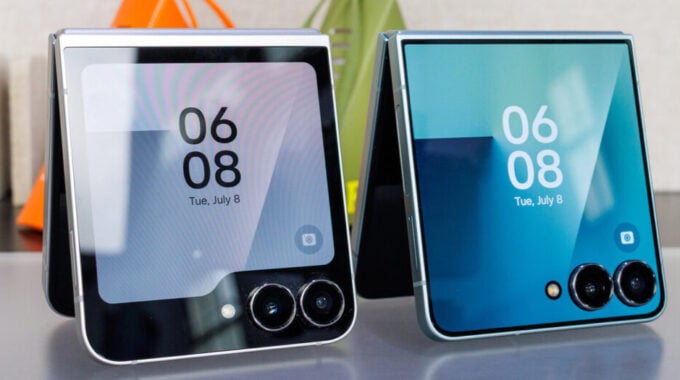
Samsung is changing its chipset strategy for the upcoming Galaxy Z Flip8, marking a departure from the unified approach used in last year’s model. The company will split the Galaxy Z Flip8 across two different processors based on region, with the in-house Exynos 2600 powering devices in South Korea and Europe while Qualcomm’s Snapdragon will handle the rest of the global market.
This represents a significant shift from the Galaxy Z Flip7, which shipped globally with just the Exynos 2500 processor. The new regional split approach brings the foldable line closer to Samsung’s traditional Galaxy S series strategy, where different markets often receive different chipsets.
The decision stems from both cost considerations and target market analysis. According to reports, Samsung’s MX division believes Galaxy Z Flip buyers prioritize design and portability over raw processing power. This demographic focus allows the company to use its less expensive in-house Exynos chips without significantly impacting customer satisfaction.
The move also serves as a cost-cutting measure during challenging market conditions. Samsung is currently dealing with higher component costs due to industry-wide shortages of RAM and flash memory. By using the cheaper Exynos 2600 in key markets, the company can protect profit margins while also supporting its LSI semiconductor and foundry businesses.
The Exynos 2600 has proven readily available for Samsung’s needs. The chip is currently only used in the Galaxy S26 and S26+ models outside of North America, China, and Japan, leaving plenty of production capacity for the foldable lineup.
However, Samsung isn’t applying this cost-saving approach across its entire foldable portfolio. The Galaxy Z Fold8 and the rumored new Galaxy Z Fold Wide will continue using Snapdragon processors exclusively. This suggests Samsung recognizes that Fold users, who often use their devices for productivity and multitasking, demand the highest performance available.
The strategy reflects broader trends in the foldable market as manufacturers work to balance premium features with acceptable price points. As foldables move toward mainstream adoption, companies are increasingly segmenting their approaches based on use cases and customer priorities.
Samsung is expected to officially announce the Galaxy Z Flip8 alongside the Galaxy Z Fold8 and Z Fold Wide at a rumored event on July 22. The regional chipset split will be closely watched by industry observers as a potential template for how other manufacturers might approach cost optimization in premium device categories.