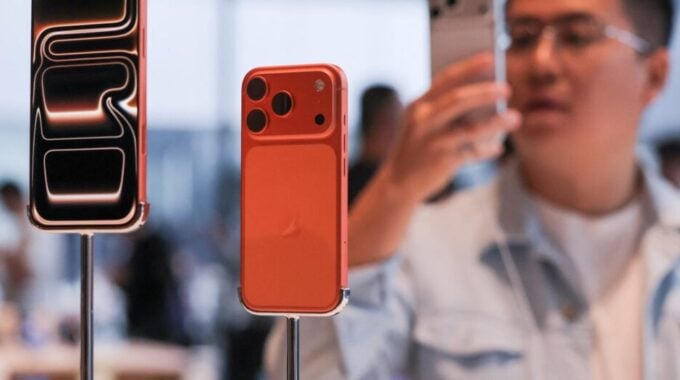
Apple’s long-delayed AI push in China just cleared a major hurdle. China’s cyberspace regulator confirmed on Wednesday that Apple Intelligence has been officially registered for use on iPhones in the country, bringing the service one step closer to a public launch.
China requires all companies to register large language models and generative AI services with regulators before they can be offered to users. Apple Intelligence has now passed that bar, though the regulator’s statement did not include a specific launch date.
The registration is a significant moment for Apple in one of its most important markets. Chinese consumers have been waiting for Apple Intelligence while users in other regions have had access to the service for months. The delay has been a sore point, particularly as local rivals have pushed aggressively into AI-powered phones.
Apple will not be going it alone in China. A source familiar with the matter, speaking on condition of anonymity, said Apple Intelligence will incorporate AI models from both Baidu and Alibaba. Alibaba confirmed this directly, saying its Qwen model will be integrated into Apple Intelligence across iOS, iPadOS, macOS, and visionOS in China. A Baidu spokesperson also confirmed the company is working with Apple to develop Apple Intelligence features for Chinese iPhone users. Apple did not respond to a request for comment.
Partnering with local AI providers is a practical necessity in China. Foreign AI models face strict regulatory scrutiny, and working with established domestic players gives Apple a faster path to compliance and a better chance of delivering features that actually work well for Chinese users. Both Baidu and Alibaba have mature large language models and strong footholds in the Chinese AI market.
The timing matters for Apple’s business. The company reported a 24.4% year-on-year increase in China shipments in the second quarter, a solid rebound after a rough patch in the market. Bringing Apple Intelligence to Chinese users could help sustain that momentum, especially as AI features become a key selling point for premium smartphones.
The broader context here is hard to ignore. Apple has faced real pressure in China from local brands like Huawei and Xiaomi, which have moved quickly to integrate AI into their devices. A functional, locally compliant version of Apple Intelligence could give Apple a stronger argument for why its hardware is worth the premium price tag.
Also registered with the cyberspace regulator in the same batch: ZTE’s Nubia-Doubao smartphone model. Nubia is a smartphone brand owned by telecoms equipment maker ZTE, and the Doubao line is developed in partnership with ByteDance as an AI-focused device. The registration signals continued momentum across the Chinese smartphone industry to get AI products through the regulatory process and into consumers’ hands.