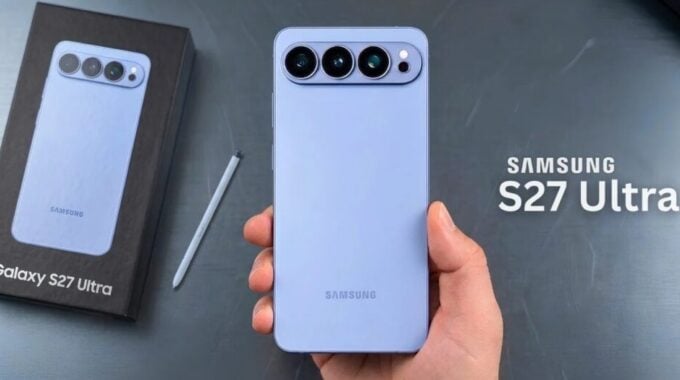
Samsung might be about to do something it rarely does: admit someone else makes a better camera sensor. According to Geeky Gadgets, the Galaxy S27 Ultra could swap out Samsung’s own ISOCELL sensor in favor of a 50-megapixel Sony unit for the main rear camera. That’s a big deal. Samsung has long pushed its in-house sensors as a selling point, so moving to Sony hardware is a real signal that the company is willing to make uncomfortable calls to stay competitive.
The potential benefits are real. Sony sensors have a strong track record for dynamic range, color accuracy, and low-light performance. If the switch happens, expect noticeably better photos in tricky lighting situations and more natural colors straight out of the camera. For anyone who uses their phone as their primary camera, this is the kind of upgrade that actually matters day to day. It’s not a spec sheet flex. It’s a practical improvement.
But here’s the catch. Not everything is getting an upgrade. The ultrawide camera is reportedly staying at 12 megapixels, which is the same resolution Samsung has been running for years. And details on telephoto improvements are still vague. So while the main shooter could be genuinely impressive, the overall system might feel uneven depending on how much you rely on wide and zoom shots.
Then there’s the price. This is where things get uncomfortable. Qualcomm is expected to raise chip prices by double-digit percentages before the end of 2026, and those costs don’t disappear. They get passed straight to you. Samsung has already shown with its recent foldable pricing that it’s not shy about asking consumers to absorb rising production costs. The S27 Ultra is shaping up to be the most expensive Galaxy S series phone yet, full stop.
This fits into a wider pattern across the industry. Memory prices are up. Component costs are up. Supply chains are still feeling the effects of disruptions from the past few years. Premium Android phones across the board are getting pricier, and Samsung is not going to be the exception. The question is whether the improvements on offer are enough to justify what could be a significant jump from the S26 Ultra’s already steep price.
Here’s what we’re watching closely heading into the launch:
- Whether the Sony sensor delivers a clear, noticeable step up in real-world photo quality
- How the final price compares to rivals like the iPhone 17 Pro Max and Google Pixel 10 Pro XL
- Whether the ultrawide and telephoto cameras get any meaningful updates beyond the main sensor
- How Samsung pitches the value of the full package against a market that has more strong alternatives than ever
Samsung’s position at the top of the Android market isn’t going anywhere overnight, but the brand can’t rely on loyalty alone when competitors are closing the gap fast. Google’s Pixel lineup has become a genuine camera rival. Apple isn’t standing still. So Samsung needs the S27 Ultra to make a strong case on merit, not just brand recognition.
The Sony sensor move suggests Samsung knows this. It’s a rare moment of the company choosing results over pride. If the execution matches the ambition, the S27 Ultra could be the best camera phone Samsung has ever made. But if the price lands in uncomfortable territory without enough to back it up, a lot of buyers are going to start asking harder questions about whether the upgrade is worth it.