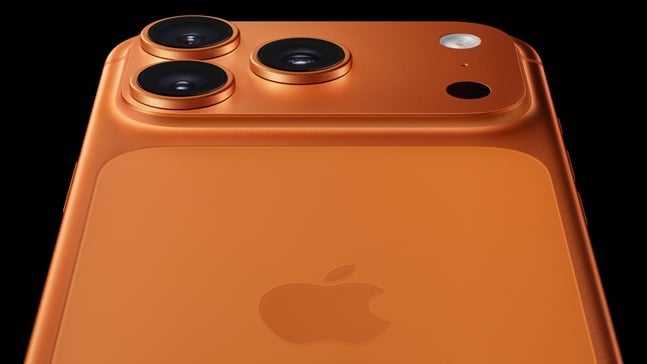
Apple just claimed 49% of all global smartphone revenue. Not shipments. Revenue. That means nearly one out of every two dollars spent on a smartphone in Q2 2026 went to Apple. That number should make every Android brand nervous.
According to Mobile World Live, global smartphone revenue rose 7% year-on-year to $109 billion in Q2 2026, the highest second-quarter total ever recorded. And the weird part? Shipments actually fell. Fewer phones sold, but more money made. That tells you everything about where this industry is heading.
The reason revenue kept climbing even as volumes dropped comes down to average selling prices, which jumped 17% to a record $400. A combination of sustained demand for premium devices and memory chip shortages pushed Android brands to raise prices across their portfolios. So people bought fewer phones, but paid more for them.
Apple played this moment perfectly. Its revenue was up 22%, reaching the brand’s highest-ever Q2 total. Shipments also rose 13%, which is the part that really stands out. While Android brands hiked prices and watched buyers flinch, Apple largely held its pricing steady. Counterpoint Research director Tarun Pathak says Apple’s ability to absorb rising component costs without passing them on gave the company a real edge, especially in markets like China, Europe, and emerging regions where Android price hikes made iPhones look like better value by comparison. That’s a sentence nobody expected to write.
The iPhone 17 lineup drove most of the momentum, with the base iPhone 17 and iPhone 17 Pro Max doing particularly heavy lifting. The mix stayed premium, ASP rose 8%, and Apple ended up winning on both volume and value at the same time. Pathak does expect Apple to raise prices in coming quarters as cost pressures mount, but the discipline shown so far has clearly paid off.
Samsung came in second with a 16% revenue share, posting 9% growth in both revenue and shipments. The Galaxy A-series stayed consistent, the Galaxy S26 kept momentum going, and strong sales in North America and the Middle East helped round things out. Not a bad quarter, but a distant second when Apple is sitting at 49%.
The rest of the top five told a rougher story. Xiaomi saw shipments fall 26%, dragging revenue down 17% even though its average selling prices rose 13% as it pushed toward higher-end devices. Oppo and vivo also saw revenue decline, down 10% and 11% respectively. The shift toward premium is real, but not everyone is pulling it off.
Counterpoint senior analyst Shilpi Jain put it plainly: the market is now driven by value, not volume. OEMs are passing higher component costs to consumers, and with memory shortages showing no sign of easing, expect more price increases and steeper shipment declines in the second half of 2026.
So here’s the bigger picture. The smartphone market is shrinking in units but growing in dollars, and Apple is positioned better than anyone to win that trade-off. If you’re a mid-range Android brand right now, the math is getting harder every quarter.