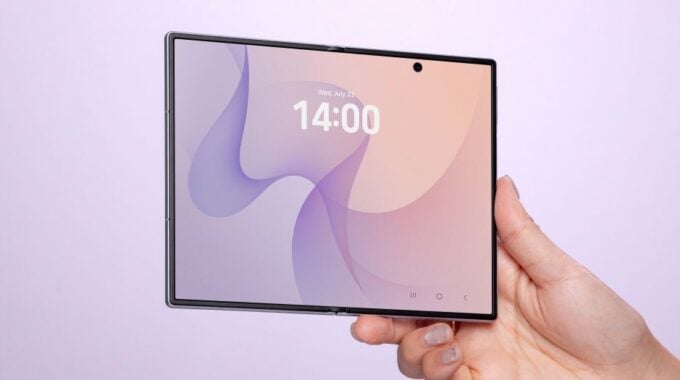
Foldables have had a reputation problem for years. Too expensive, too fragile, too niche. But Samsung just dropped some numbers that suggest that story is changing fast. The Galaxy Z Fold8, Z Fold8 Ultra, and Z Flip8 have broken Samsung’s own pre-order record for foldable devices, beating the previous high by more than 17%, and there was still a full day of pre-ordering left when Samsung counted.
Let that sink in. A 17% jump over the previous record isn’t a rounding error. That’s a meaningful shift in consumer appetite for phones that fold. And it gets more interesting when you zoom in on the Fold side of things. The Z Fold8 and Z Fold8 Ultra combined are pulling in 70% more pre-orders year-on-year compared to the Z Fold7 at the same stage. That’s not incremental growth. That’s a spike.
So what’s driving this? A big part of it seems to be the Z Fold8 Ultra, which is new to the lineup entirely. Having a proper “Ultra” tier in the foldable range gives buyers something to aspire to, much like the Ultra label does in Samsung’s Galaxy S series. It pulls in enthusiasts who want the absolute top-spec experience and are willing to pay for it. That extra option almost certainly inflated the overall numbers, and that’s fine. It’s a smart move from Samsung to ladder up the range.
Europe is also a bright spot here. Over 40% of total pre-orders came from European consumers, which tells you this isn’t just a home-market story propped up by South Korean brand loyalty. Western European buyers, who tend to be cautious with premium tech spending, are clearly warming up to the idea of a folding phone as a serious daily driver.
The broader context matters here. Apple still hasn’t shipped a foldable. Google’s Pixel Fold exists but hasn’t made a dent in sales charts. That leaves Samsung as basically the only player at scale in this space, and moments like this pre-order record help cement that position. The more people buy foldables, the more accessories, software optimizations, and app support follow. It becomes a self-reinforcing cycle.
Still, pre-orders don’t tell the whole story. People get excited, put down a deposit, and sometimes return devices within the first week. The real test is how many of these phones stay in people’s pockets after 30 days. Durability concerns haven’t fully gone away, and the price point for the Ultra in particular is going to be steep.
But the momentum is clearly there. Samsung has been patient with foldables, iterating steadily rather than chasing hype. And right now, that patience looks like it’s paying off. If these pre-order numbers convert into actual long-term users, 2025 could genuinely be the year foldables stop being a curiosity and start being a category.