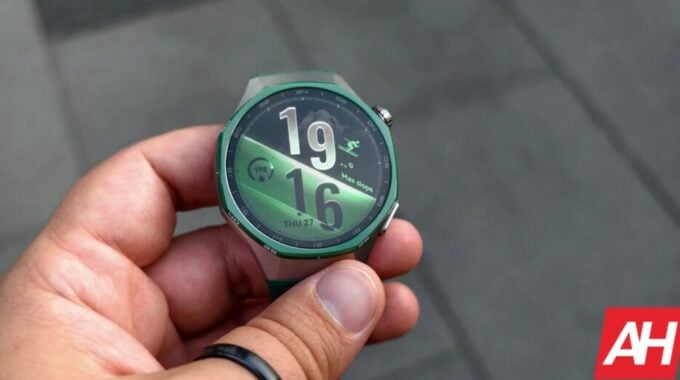
Cheap smartwatches are dying. Not figuratively. Consumers are actively walking away from entry-level wearables that can’t do anything meaningful, and that’s dragging the whole market down with them. According to AndroidHeadlines, global smartwatch shipments dropped 4% year-over-year in Q2 2026, the market’s first decline in over a year. But buried inside that rough headline number is something more interesting: Huawei and Apple both grew. At the same time.
Counterpoint Research tracked two forces behind the broader slowdown. First, buyers are done with basic step-counters. If a watch can’t offer real biometric monitoring, people aren’t interested. Second, owners of premium smartwatches are simply waiting. They’re happy with what they have and want a genuine reason to upgrade, think non-invasive blood glucose tracking or automated blood pressure monitoring, before spending again. So the middle of the market is holding on, and the bottom is collapsing.
Huawei came out on top with a record 22% global market share, up from 20.8% the year before, despite posting only a 1% shipment increase. That sounds modest until you realize everyone else was dropping. Around 80% of Huawei’s volume came from mainland China, where government electronics subsidy programs and genuine consumer interest in preventive health tech kept sales moving. The Huawei Watch GT 7 Pro was a big part of that story. China as a whole hit a record 38% of global smartwatch shipments with 7% annual growth, which is a number worth sitting with for a second. One country. 38%.
Apple finished second with a 20.1% market share and the fastest growth rate among the top five vendors at 14%. That’s a real number. The Apple Watch Series 11 and Apple Watch SE 3 together made up more than 80% of Apple’s global shipments for the quarter, and demand held across all major regions. Apple didn’t need a new product launch to win. It just needed solid hardware that people actually wanted.
The rest of the top five told a messier story:
- Imoo held third place with a slight share increase from 7.7% to 7.8%, helped by strong regional channel support.
- Xiaomi took a serious hit, dropping 38% in sales and watching its market share fall from 9.5% to 6.1%. Its budget-heavy lineup had nowhere to hide when the low-end segment dried up.
- Garmin finished fifth with a 5.6% share and an 11% shipment jump, driven entirely by demand for high-end outdoor and sports navigation gear.
Counterpoint analysts project flat overall growth for 2026, around 1% for the full year. But they’re forecasting a 3% compound annual growth rate through 2030, and the driver they’re pointing to is edge AI and advanced medical sensors. That tracks. The next wave of smartwatch upgrades isn’t going to come from thinner bezels or new colors. It’s going to come from the moment a watch can tell you something your doctor couldn’t without a lab visit.
And that moment feels genuinely close. Blood pressure tracking without a cuff, glucose monitoring without a needle, these aren’t science fiction anymore. They’re the features that will finally convince premium watch owners to open their wallets again. When that happens, the brands that have been building health credibility, Huawei in China, Apple globally, are positioned to move fast. Xiaomi’s freefall is a warning for anyone still betting that cheap hardware is enough.