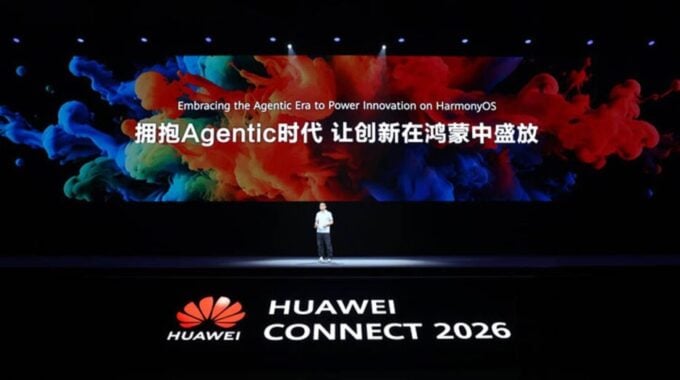
Forget incremental updates. Huawei just dropped HarmonyOS 7 at the 2026 Huawei Connect event, and the headline feature isn’t a shinier UI or a faster camera app. It’s a full architectural shift toward AI agents, and that’s a much bigger deal than it sounds.
According to Huawei Central, the company built HarmonyOS 7 on an Agent architecture from the ground up. That means AI isn’t just sprinkled on top as a feature. It’s baked into how the operating system thinks, responds, and gets things done. Huawei also rolled out a fresh set of AI development tools aimed at letting developers build agentic apps inside the HarmonyOS ecosystem.
So what exactly is an agentic AI? Think of it as AI that doesn’t just answer questions. It takes actions, makes decisions, and completes multi-step tasks on your behalf without you having to hold its hand through every single step. It’s the difference between asking your phone to find a restaurant and actually having it check availability, make a reservation, and add it to your calendar. That’s the level Huawei is aiming for.
This move makes a lot of sense when you look at where the broader tech industry is heading. Apple is pushing harder on Apple Intelligence. Google has Gemini woven through Android. Samsung is doubling down on Galaxy AI. Every major platform is racing to make AI feel less like a novelty and more like an actual assistant. Huawei stepping up with a full agent-based OS puts it in serious conversation with those players, at least in the markets where it operates.
And that context matters. Huawei has spent years rebuilding after US trade restrictions cut off its access to Google services and key hardware. HarmonyOS has been central to that comeback story. With version 7, the company is sending a clear message: it’s not playing catch-up anymore. It’s making its own moves.
The new developer tools are key here too. A strong OS means nothing without apps. If Huawei can get developers excited about building agentic experiences inside HarmonyOS, the platform gets genuinely more useful for real users. That’s the bet. Whether it pays off depends entirely on developer uptake, but the foundation looks solid.