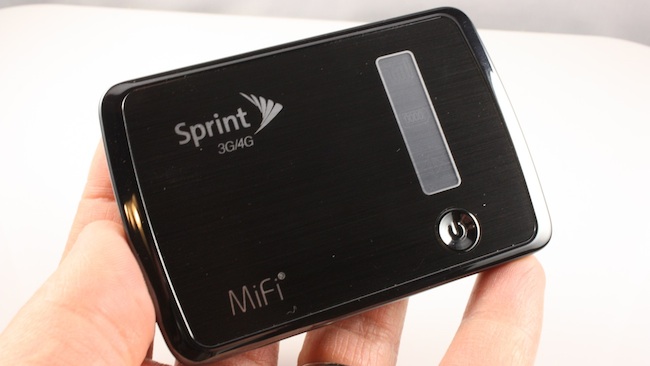
Back in 2009 Novatel Wireless introduced a novel piece of kit called the MiFi. Put simply, it connects to an operator’s wireless network and then emits a WiFi signal. Most consumer electronic companies don’t want to deal with the complexities of putting a cellular radio inside their device, much less having to get their gear certified by the FCC, but they’ll gladly put WiFi in there since it’s a proven technology that’s not too expensive. The creation of the MiFi enabled people to connect all their WiFi only gadgets to the internet, regardless of where they were. Now you have to remember, this thing hit the market three years ago when iOS didn’t have tethering yet, and Android was still incredibly buggy and didn’t even support multitouch!
Since then the MiFi has picked up a lot of customers, 3 million in fact, on 25 operators around the world. That’s a little over 2,700 units shipped per day. Peter Leparulo, CEO of Novatel Wireless, says:
“Three years ago we introduced the MiFi Intelligent Mobile Hotspot and revolutionized the way people access the Internet, from anywhere, anytime. The MiFi system architecture brought a new user-experience to mobile broadband consumers, with one click connect and no software to install. It also allows carriers to reach a wider, more diverse subscriber base with innovative service opportunities. We are very pleased to have achieved this milestone — illustrating our significant market and product leadership for mobile hotspots.”
And his colleague Rob Hadley, CMO of Novatel Wireless, adds:
“We will continue to focus on the value that the MiFi experience brings to users. With the world becoming increasingly connected, there is opportunity to improve the way we interact with our wireless devices and our connected experience. We are very proud of the support for our MiFi family of products and will continue to focus on innovation that has made the brand what it is today.”
We just wonder how sustainable this company is now that damn near everyone buys smartphones, and said smartphones can do the same thing a MiFi does. Dedicated wireless hotspots may serve a niche audience, i.e. journalists out in the field, but besides that?