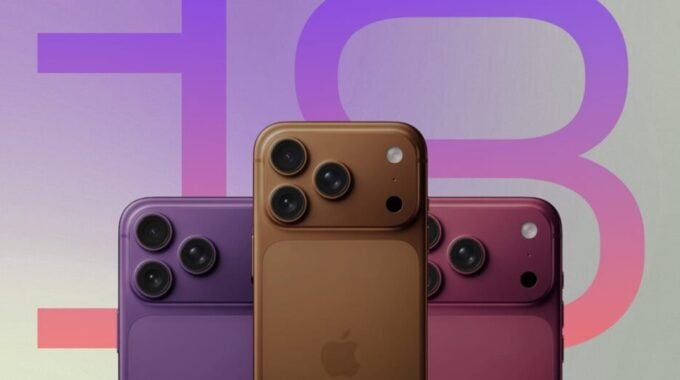
Apple’s iPhone 18 series could shake up the company’s traditional release schedule, with rumors suggesting a split launch between fall 2026 and spring 2027. The premium iPhone 18 Pro models may debut first, followed by the standard iPhone 18 and budget-focused iPhone 18E months later.
This potential shift comes as Apple approaches the 20th anniversary of the original iPhone while facing intense competition from Samsung globally and rising Chinese manufacturers like Xiaomi. With the company’s smartphone dominance at stake, the iPhone 18 lineup represents a critical moment for maintaining market leadership and building momentum for future products like the rumored iPhone Fold.
Early leaks suggest the iPhone 18 will feature a significantly smaller Dynamic Island, with some reports indicating it could shrink by approximately 35% compared to current models. This reduction stems from Apple’s work on under-display Face ID technology, which would move biometric sensors beneath the screen rather than requiring a large cutout. According to reports, leaked prototype images show the smaller Dynamic Island design, though the feature would still expand for Live Activities and notifications.
The camera system could receive substantial upgrades, particularly with the addition of variable aperture technology on the iPhone 18 Pro Max. This feature, similar to DSLR cameras, would give users greater control over depth of field and image brightness. While Samsung experimented with variable aperture on the Galaxy S9, and Xiaomi included it on recent Ultra models, Apple’s implementation could finally make the technology mainstream on smartphones.
Battery improvements appear likely, with rumors pointing to capacities exceeding 5,000 mAh on Pro models. This would represent a significant jump from previous generations and could address long-standing user complaints about iPhone battery life. The company may also adopt new silicon-carbon battery technology to achieve these capacity increases without dramatically increasing device thickness.
The iPhone 18 lineup will likely run on Apple’s new A20 processor, which reportedly uses Wafer-Level Multi-Chip Module technology. This approach integrates RAM directly into the same wafer as other components, potentially improving both efficiency and performance. Additionally, the devices may feature Apple’s next-generation C2 modem chip and could support full satellite phone capabilities beyond just emergency messaging.
Color options could expand with new choices including:
- Coffee brown finish
- Deep red or burgundy variants
- Purple options
- Subtle transparent finish on Pro models
However, supply chain challenges may impact the final specifications. Recent reports suggest some components could be downgraded due to memory shortages, a phenomenon some industry observers have dubbed “RAMageddon.” OLED display supply issues may also arise from Apple’s reportedly demanding brightness requirements.
The staggered release schedule reflects Apple’s broader strategy of segmenting its iPhone lineup across different price points and release windows. The iPhone 16E and 17E already established spring launches for budget models, making a similar approach for the iPhone 18 series a logical extension of this pattern.
For consumers, this split timeline means those seeking premium features may get access to new technology earlier, while budget-conscious buyers will need to wait several additional months. The approach also allows Apple to spread out its product launches and potentially manage supply chain constraints more effectively across different device tiers.