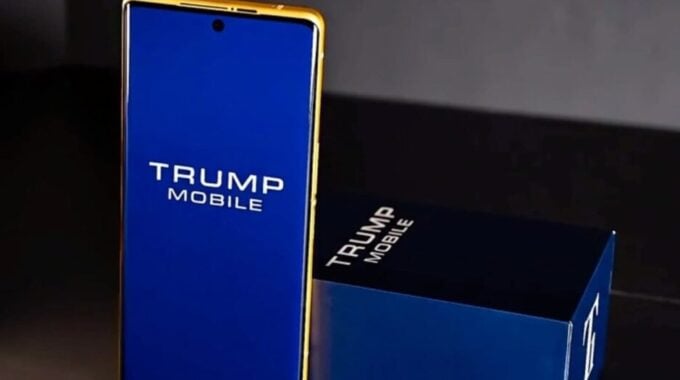
A detailed teardown of the Trump Mobile T1 has exposed what many suspected: the $499 device is essentially a rebranded HTC smartphone with minimal modifications. The analysis raises questions about transparency in the smartphone industry and the challenges of domestic manufacturing in a globalized supply chain.
After examining the internal components of the Trump phone, repair specialists at iFixit discovered it’s nearly identical to the HTC U24 Pro. The teardown, conducted on a unit initially obtained by NBC News, found only superficial differences between the two devices.
The core specifications remain fundamentally unchanged between both phones. Both feature the same Snapdragon 7 Gen 3 processor, 12GB of LPDDR5 RAM, and 512GB of storage capacity. The main board layout and overall internal architecture are virtually identical.
The few differences iFixit identified are minor:
- A slightly larger battery capacity with 30W charging support instead of 60W
- Different memory supplier (Micron instead of SK Hynix)
- Repositioned camera array
- Altered speaker hole pattern
- Gold exterior paint job
This revelation highlights the common practice of white-label manufacturing in the smartphone industry, where companies rebrand existing devices with minimal modifications. However, it also raises concerns about marketing transparency, particularly given Trump Mobile’s initial claims about American manufacturing.
Trump Mobile originally marketed the T1 as “made in the USA” but has since walked back that claim. The company now describes the device as having “American-proud design” and being “shaped by American innovation.” The current marketing materials state the phone is “proudly assembled in the US,” suggesting domestic workers put together approximately 10 components.
The reality of the supply chain tells a different story. According to iFixit’s analysis, the battery comes from the Philippines while most components originate from China. The organization concluded that given the short timeframe since Trump Mobile’s launch, limited production quantities, and competitive pricing, the T1 could only have been manufactured at existing factories with established production lines.
This case illustrates the broader challenges facing companies attempting to establish domestic smartphone manufacturing. The United States lacks the comprehensive supply chain infrastructure needed to produce all smartphone components domestically. Building such capabilities would require massive investments in specialized manufacturing facilities, supply networks, and technical expertise.
iFixit’s final assessment was blunt: the T1 is “a phone designed in China, made in China, with the vast majority of parts sourced from China.” This finding underscores the global nature of modern electronics manufacturing and the difficulty of creating truly domestic alternatives in the current market environment.