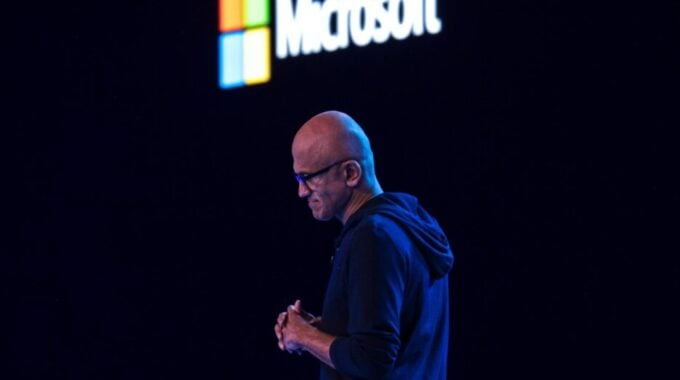
Running AI is expensive, and Microsoft is done pretending otherwise. The company has started using its own in-house AI models to handle a portion of user prompts in Word and Excel, pulling back from its reliance on software from OpenAI and Anthropic, according to a Bloomberg report cited by TechCrunch.
This is a notable shift. Until recently, Microsoft was openly promoting the fact that large parts of Office 365 run on models from OpenAI and Anthropic. Now, it appears the company is quietly routing some of that traffic to its own MAI models instead. When TechCrunch reached out for comment, Microsoft said it had nothing further to share.
The move matters because Microsoft’s relationship with OpenAI is one of the most high-profile partnerships in tech. Microsoft has invested billions in OpenAI and built much of its Copilot strategy around those models. Pulling back, even partially, signals that the economics of that arrangement may not be working out the way the company hoped.
This is not a sudden pivot. Microsoft has been building toward this for a while. Last month, at its annual Build conference, the company announced seven new MAI models, including an agentic coder and a text-to-image generator. Deploying those models inside Word and Excel is a logical next step, but also a strategic one. It gives Microsoft more control over costs and reduces its dependence on outside vendors.
Microsoft is far from alone in rethinking its AI spending. After a period of aggressive, almost unchecked investment in AI infrastructure and services earlier this year, several major companies have started pulling back hard:
- Amazon has made moves to cut AI-related spending
- Uber has reportedly trimmed back its AI commitments
- Meta and Accenture have also been flagged as companies tightening the purse strings
The underlying problem is straightforward. AI services cost a lot to provide and a lot to buy. That math has become increasingly hard to justify, especially as returns remain uncertain and user growth has not always matched the hype. Some companies in Silicon Valley are now reportedly looking at Chinese AI models as a cheaper alternative for certain tasks, though that comes with its own concerns around data security and geopolitical risk.
For Microsoft, the immediate goal seems to be reducing costs without degrading the experience for the hundreds of millions of people who use Office every day. Whether its own MAI models are good enough to do that at scale is a real question, and one that users will answer whether Microsoft wants them to or not. If Copilot gets slower or less accurate in Word and Excel, people will notice.
The bigger story here is that the AI industry is quietly entering a more disciplined phase. The early days of throwing money at the problem and figuring out the economics later appear to be ending. Companies are being pushed to show that AI actually saves money or makes money, not just that it is impressive. Microsoft, with its scale and its deep ties to OpenAI, is a bellwether. How it manages this transition will likely shape how other large enterprises think about their own AI vendor relationships over the next year or two.