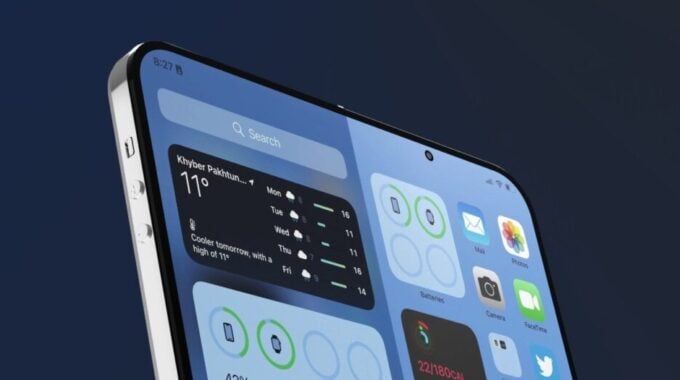
Apple might be about to pull off something it has never done before: announce a new iPhone lineup without actually including the standard iPhone. And if the latest supply chain chatter is accurate, that’s exactly what’s coming in September 2026.
According to Creative Bloq, Apple supplier Pegatron confirmed during an earnings call that one of its major clients, widely understood to be Apple, is shifting its smartphone shipment schedule. The standard iPhone 18 won’t land until March 2027. That’s not a rumor from an anonymous tipster. That’s a supplier talking on the record about production timelines. It’s about as close to confirmed as these things get before an official announcement.
So what does September actually look like? Two Pro models and, if the leaks hold up, the long-rumored folding iPhone, reportedly called the iPhone Ultra. Apple folding into the foldable market (yes, that pun was intentional) has been a talking point for years. Samsung and Google have been slugging it out in that space while Apple watched from the sidelines. A September debut for the Ultra would signal that Apple finally thinks the technology is ready for its standards, or at least ready enough to charge a premium for.
And premium is the key word here. The iPhone Ultra is almost certainly going to cost more than the Pro Max, which already starts at over a thousand dollars. So if you were hoping September 2026 would bring a shiny new affordable option, prepare to be disappointed. This is shaping up to be a lineup for people with deep pockets.
That said, the delay of the standard model does raise an interesting question about the iPhone 17. When Apple launched it last year, it came loaded with features that felt almost out of place for a base model:
- ProMotion display with always-on functionality
- 48MP main camera
- A significant performance jump over the iPhone 16
At the time, it felt like Apple was finally taking the standard tier seriously. Now it looks like there may have been a more calculated reason. If Apple always knew the iPhone 17 would need to hold the entry-level spot for an extended stretch, packing it with better specs makes a lot of sense. It needed to age well, and it probably will.
The bigger picture here is that Apple is clearly rethinking how it structures its product calendar. The iPhone Air, introduced in 2025, already showed that Apple is willing to experiment with the lineup. Pushing the standard model to a spring release while using September for higher-margin devices fits a pattern: Apple wants its flagship event to generate maximum revenue, and a folding phone plus two Pro models does that better than a base iPhone would.
For most people, none of this changes what they’ll buy. But it does signal that Apple’s annual September rhythm, one of the most predictable events in consumer tech, is starting to bend. Whether that’s a smart strategy or a move that alienates everyday buyers remains to be seen. Either way, 2026 is going to be a fascinating year to watch.