A 40% reduction in power consumption while also improving graphics quality is the kind of claim that usually deserves a healthy dose of skepticism. But Qualcomm’s numbers for the Snapdragon 8 Elite Gen 6 GPU are specific enough to take seriously, and the architecture behind them is genuinely interesting.
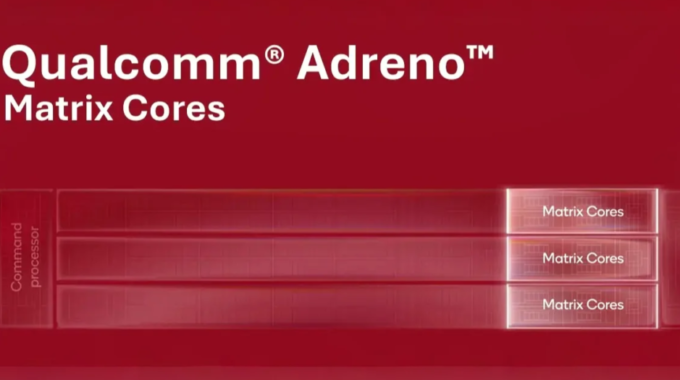
As reported by Gizmochina, Qualcomm has shared new details about the Adreno GPU inside the upcoming chip. The headliner is something called the Adreno Matrix Core, and the new GPU packs three of them. These cores are built specifically for local AI tasks, targeting lower latency and better power efficiency. It’s essentially the same SME matrix concept Qualcomm introduced on the CPU side last year, now applied to graphics. That kind of cross-architecture consistency is smart engineering, not just marketing.
Those Matrix Cores are what power Adreno Neural Fusion, the technology doing the heavy lifting on image quality. Qualcomm says Neural Fusion reduces flickering and ghosting, delivers more consistent frame output, and sharpens fine detail, all while hitting that 40% power reduction figure. For anyone who’s watched a mobile game stutter or blur during intense scenes, that’s a meaningful promise.
Gamers specifically should see benefits in frame generation and image upscaling. Qualcomm has confirmed support in both Unreal Engine and Unity, which matters a lot. Getting developers to actually use new hardware features has always been the harder problem, and having two of the biggest game engines on board from day one removes a major barrier.
On the raw specs side, the new Adreno GPU clocks in at 1.45 GHz, up from 1.2 GHz on the Gen 5. It keeps 18 MB of high-performance memory and gains around 12% better energy efficiency. The chip also uses a three-slice GPU design that splits shader cores into separate sections, letting the system allocate power more precisely based on what the workload actually needs.
The full Snapdragon 8 Elite Gen 6 platform also includes:
- Oryon CPU reaching 5 GHz, a first for any smartphone chip
- FlexCache architecture for more efficient instruction handling
- Qualcomm X105 modem
- FastConnect 8800 connectivity
So the package here is genuinely strong. But the chip is only half the story. The real question is whether phone makers will optimize their software well enough to actually deliver these gains to users. That’s where flagship promises often go to die. We’ll see.