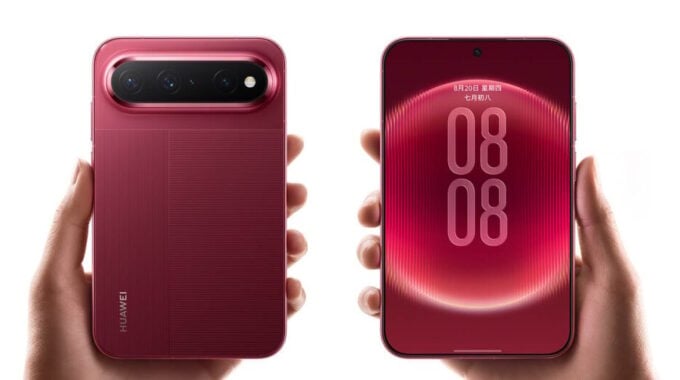
Smartphone buyers are apparently sick of tall, skinny screens. Huawei bet on a wide, non-foldable aspect ratio when almost nobody else would, and the market just answered back loudly. The Pura X View sold over 280,000 units in its first five days on sale, making it the top-selling wide-screen phone across all brands during week 37 of 2026, according to sales data reported by industry insider Digital Chat Station on Weibo.
That number is significant. This is not a modest hit for a niche experiment. This is a record-breaking opening week for a flagship, and it pushed Huawei’s overall smartphone market share in China to a fresh high in the process. The phone was originally shown off alongside the Enjoy G9 SUV launch event, which felt like an odd venue for a major hardware announcement. But the sales response suggests Huawei knew exactly what it was doing.
So what actually makes the Pura X View worth buying? The form factor is the whole story here. It gives you a wide, horizontal screen without the bulk of a hinge, without a crease down the middle, and without the extra weight that foldables usually carry. Huawei squeezed a 7,000mAh battery into a body that’s just 6.68mm thin. That’s a genuinely impressive engineering feat. The result is a phone that’s light enough to use one-handed and slim enough to actually fit in a pocket, while still giving you screen real estate that portrait-first phones simply can’t match for video, reading, or multitasking.
The Pura X View sits alongside the Pura X Max, which launched in March 2026 as the world’s first wide foldable, complete with a prominent rear camera system. Both devices performed well this year, and that double success is apparently pushing Huawei to go further. Leaks from the same source, also picked up by Huawei Central, suggest the company is already working on another wide-screen phone for the first half of 2027.
The details are thin for now, but rumors point to this next device slotting into the camera-focused Pura 100 lineup. If that’s accurate, it would be the first wide-screen imaging flagship in the HarmonyOS ecosystem, which is a meaningful step. Huawei’s broader 2027 roadmap allegedly also includes a 6.6-inch Mate smartphone and a new folding tablet, so wide-screen layouts are starting to look less like a one-off experiment and more like a deliberate direction for the brand.
This matters beyond Huawei’s own portfolio. The industry has been locked into the same tall, narrow slab design for years. Every flagship from every major brand follows roughly the same proportions. If a wide non-foldable can pull these kinds of numbers, it sends a signal to Samsung, Apple, and everyone else that there’s real consumer demand for something different. Whether anyone else picks up that thread is another question, but Huawei has now made the case with actual sales data.
The camera results, the fluid software experience on HarmonyOS, and that massive battery all played a role in driving these numbers too. But still, the chances of any of this reaching US buyers officially remain basically zero given the ongoing trade restrictions. For everyone else, though, Huawei is building something worth paying attention to.