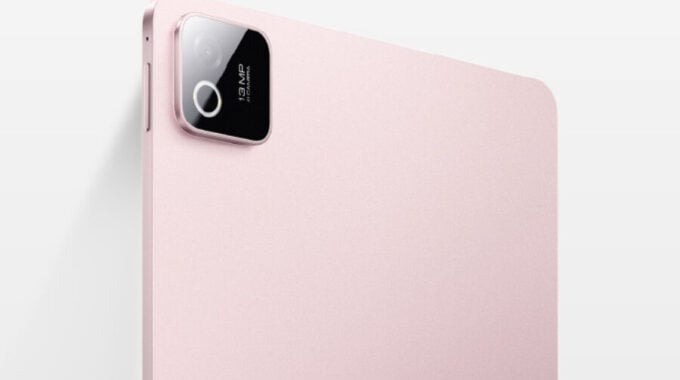
Xiaomi’s tablet lineup just got a lot more interesting below the flagship tier. While everyone was still talking about the Pad 9 Pro Max and its in-house Xring O3 chip, Xiaomi quietly dropped two more tablets that most people will actually be able to afford. The Pad 9 and Pad 9 Pro are now official in China, and they run Snapdragon silicon instead, which keeps the price down without gutting the experience.
According to Gizmochina, the standard Pad 9 starts at 2,999 yuan, which works out to roughly $447, while the Pad 9 Pro kicks off at 3,799 yuan, around $566. That’s a meaningful gap from the Pro Max, and it gives buyers a real choice depending on how much they want to spend.
What the standard Pad 9 brings to the table
The Pad 9 has an 11.2-inch LCD with a 3.2K resolution and an adaptive refresh rate that goes up to 144Hz. Peak brightness hits 1,000 nits, it covers the DCI-P3 color gamut, and it supports 12-bit color. Xiaomi also included hardware-level low blue light and flicker-free certifications, which matter if you’re using this thing for long reading or work sessions.
The chip inside is the Snapdragon 8s Gen 4, the same processor found in the Pad 8. So if you were hoping for a big generational leap on the silicon side, that’s not really the story here. But it’s still a capable chip, and paired with a 9,720mAh battery and 45W wired charging, battery life looks genuinely impressive. Xiaomi claims up to 14.5 hours of video playback or 20 hours of video calls. Those are big numbers, and even if real-world use shaves some of that off, this tablet should last a full day without stressing about a charger.
The Pro model steps it up in a few key ways
The Pad 9 Pro takes things a step further, especially for anyone who uses a tablet for work or content creation. Six speakers replace the four you’d find on the previous model, and there’s a four-microphone array built in for cleaner call audio. It’s also impressively thin at 5.8mm and weighs 580g, so it’s easy to hold for extended sessions.
Both tablets run HyperOS 4, and Xiaomi is pitching them hard at productivity users. The full version of WPS Office and CapCut Pro come pre-loaded, and both devices support the Xiaomi Focus Stylus Pro and a keyboard accessory. Color options across the range include Spruce Green, Black, and Silver, with a Soft Light Edition adding around $30 to both models.
Pricing and what you actually get for the money
Here’s how the full pricing breaks down:
- Pad 9 8GB+128GB: 2,999 yuan (~$447)
- Pad 9 8GB+256GB: 3,299 yuan (~$491)
- Pad 9 8GB+256GB Soft Light Edition: 3,499 yuan (~$521)
- Pad 9 12GB+256GB: 3,799 yuan (~$566)
- Pad 9 Pro 8GB+128GB: 3,799 yuan (~$566)
- Pad 9 Pro 8GB+256GB: 4,099 yuan (~$611)
- Pad 9 Pro 12GB+256GB: 4,599 yuan (~$685)
- Pad 9 Pro 12GB+256GB Soft Light Edition: 4,799 yuan (~$715)
- Pad 9 Pro 16GB+256GB: 4,999 yuan (~$745)
In a market where iPad alternatives keep climbing in price, Xiaomi’s approach here is smart. These aren’t budget tablets with cut corners. They’re mid-to-upper-mid range devices that compete on specs and undercut Apple and Samsung on price. The Snapdragon chip choice over the in-house Xring makes sense at this tier too. It’s a proven processor, and buyers in this segment are less likely to care about chip branding and more likely to care about whether the thing actually runs well.
No word yet on global availability, but Xiaomi has been expanding its tablet reach steadily. If these make it to international markets at prices even close to their China launch figures, they’ll be worth a serious look.