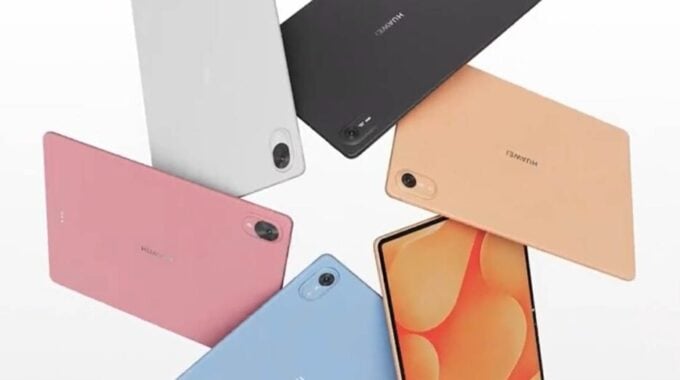
Most tablets pitched at students are boring slabs in boring colors. Huawei clearly got tired of that approach. The company announced the MatePad Air Z, a new addition to its tablet lineup that leads with personality before it even gets to specs. And honestly, that’s a smart move in a market where every device is starting to look the same.
A design that actually stands out
The MatePad Air Z comes in five color schemes with a shimmery finish that makes it look more premium than your typical student device. This isn’t just a cosmetic decision. Huawei knows that younger buyers care about how their gear looks. A tablet that sits on a desk during a study session or gets pulled out in a coffee shop needs to look like a choice, not a hand-me-down. So Huawei gave this one some visual flair, and it works.
Built for learning and getting things done
Beyond the looks, the MatePad Air Z is designed with learning and productivity at its core. That means it’s aimed squarely at students who need a reliable device for note-taking, studying, and staying organized. It’s a focused pitch, and Huawei isn’t trying to make this thing compete with a pro-level tablet. That kind of clarity is actually refreshing.
The MatePad Air 2026 had already made its global debut back in July before landing in China, and the Air Z follows that same rollout strategy. Huawei is clearly building momentum in the tablet space and using the Air lineup to cover different needs at different price points.
Why this matters right now
The student tablet segment is competitive. Apple’s iPad is still the default recommendation for most people, and Android tablets have had a rough few years trying to close that gap. But Huawei is carving out its own space with HarmonyOS and a lineup that keeps getting more refined.
- Five distinct color options with a shimmery design finish
- Productivity and learning features aimed at students
- Part of Huawei’s expanding MatePad Air lineup
- Follows the global MatePad Air 2026 launch from July
Still, the real test is software and ecosystem support. Huawei has made real progress with HarmonyOS, but without Google services, it remains a harder sell outside China. Inside China though? This could be a genuinely solid option for students who want something that looks great and gets the job done.