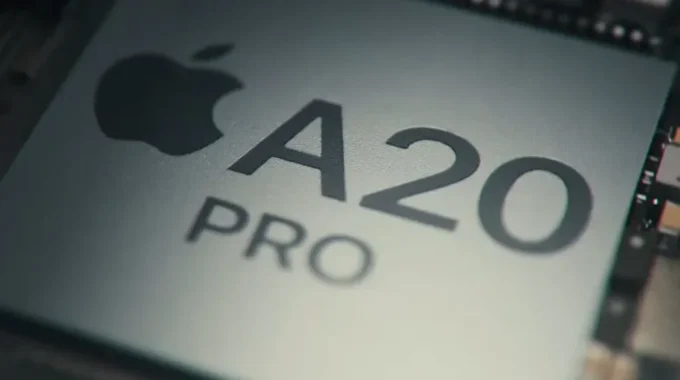
Apple just launched the A20 Pro on a 2nm process, and it is already thinking about what comes after. That’s the most Apple thing ever. According to a JP Morgan analyst note reported by Android Headlines, Apple is planning 1.4nm chips, and TSMC is targeting mass production in the first half of 2028.
So what does that mean for your next phone? If the timeline holds, the 2028 iPhone is the one that gets the new chip. The 2027 iPhone would stay on 2nm. Before you groan, that’s not necessarily bad news. TSMC did something similar with 3nm, later shipping a refined version called N3P. A polished 2nm process could still deliver a nice bump in speed and efficiency. Just don’t expect a brand new node next year.
And a quick reality check: none of this is confirmed. It’s an analyst note, not an Apple announcement, so we won’t know for sure until 2027 at the earliest. I’d treat it as a strong signal, not a promise.
The more interesting part is why Apple is moving so early. For years, Apple was one of TSMC’s biggest customers, and it got first dibs on the shiniest process. That’s not guaranteed anymore. The AI boom has companies like NVIDIA lining up for advanced capacity, and TSMC is listening. Apple’s answer is to fund and lock down 1.4nm early, so it has enough chips when the time comes.
That matters for a simple reason. Chip supply is now a real competitive weapon. If Apple gets 1.4nm silicon into phones before rivals can, it gets a head start on speed, battery life and on-device AI. Android makers relying on the same foundry will be watching closely, because being second in line at TSMC could mean waiting a while.
I like the strategy, honestly. Raw chip speed is not what makes most people buy a phone these days, but efficiency and AI features increasingly are, and both depend on smaller, better chips. Apple knows that, and it is paying to make sure nobody cuts in front of it.
There’s another twist. Reports suggest Apple could work with Intel on 1.4nm chips too, alongside TSMC. If Intel lands Apple orders, that would be a huge win for a company that badly needs one. It would also give Apple a second source, which is never a bad thing when everyone is fighting over the same factories.
For now, the takeaway is simple. Expect a refined 2nm iPhone in 2027 and a bigger leap in 2028. Until then, keep an eye on TSMC’s capacity, because that’s where the real phone war is being fought.